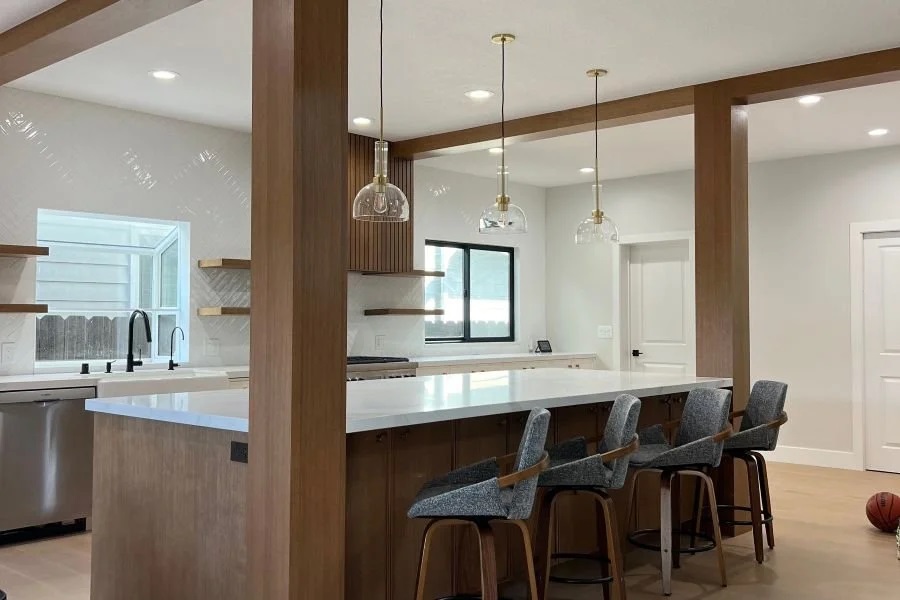

When it comes to kitchen and bathroom surfaces, homeowners often compare dekton vs quartz to find the perfect balance of durability, design, and value. Both materials offer premium aesthetics and long-lasting performance—but they differ in composition, maintenance, and overall feel. For California homeowners who want style and strength that lasts, understanding these distinctions can make all the difference in choosing the right surface for your remodel.
Countertops aren’t just a visual centerpiece—they’re one of the hardest-working elements in your home. The decision between Dekton and quartz goes beyond appearance; it’s about lifestyle, functionality, and how your home adapts to daily living.
Understanding the Materials
Dekton is an ultra-compact surface made from a sophisticated blend of raw materials found in glass, porcelain, and quartz. Produced under extreme heat and pressure, it’s virtually indestructible and highly resistant to temperature changes, scratches, and UV exposure.
Quartz, on the other hand, is an engineered stone composed of natural quartz crystals mixed with resins and pigments. It offers a smooth, uniform appearance with exceptional stain and impact resistance.
Both options deliver strength and beauty—but their core properties suit different needs and design goals.
Appearance and Design Versatility
One of the main reasons homeowners invest in these surfaces is their design potential.
- Dekton mimics natural stone and concrete textures with stunning realism. Available in matte, gloss, and textured finishes, it brings a modern, industrial aesthetic to kitchens and bathrooms.
- Quartz offers consistency and elegance, ideal for homeowners who love polished, refined surfaces. It’s available in hundreds of patterns, from subtle marbling to bold veining, matching nearly any style preference.
If your remodel leans contemporary or minimalist, Dekton’s modern finishes make a bold statement. For traditional or transitional homes, quartz delivers timeless sophistication.
Durability and Maintenance
In terms of toughness, Dekton is in a league of its own. Its ultra-compact surface can handle high temperatures directly—meaning you can place hot pans on the counter without damage. It’s also resistant to UV rays, making it ideal for outdoor kitchens or sunlit spaces.
Quartz, while extremely durable, is not entirely heat-proof. Prolonged exposure to direct heat can discolor or damage the resin component, so trivets are recommended. However, quartz’s non-porous surface makes it exceptionally resistant to stains and bacteria, ensuring effortless maintenance.
Maintenance comparison:
- Dekton: Virtually maintenance-free; no sealing required.
- Quartz: Easy to clean; non-porous and hygienic.
Both surfaces require only mild soap and water for regular upkeep, keeping them looking new for years.
Cost and Value
When comparing Dekton vs Quartz Countertops Comparison, pricing depends on thickness, color, and installation complexity. In California, average installed costs typically range between $85 and $150 per square foot for both materials, with Dekton trending slightly higher for premium finishes.
While the initial cost of either surface may exceed laminate or tile, their longevity and aesthetic appeal make them worthwhile investments.
Quartz is favored for its balance of affordability and visual consistency, while Dekton appeals to those seeking cutting-edge design and durability unmatched by most materials.
Heat, Scratch, and Stain Resistance
Durability is often the deciding factor between these two surfaces:
| Feature | Dekton | Quartz |
| Heat Resistance | Can withstand direct heat | Sensitive to extreme heat |
| Scratch Resistance | Highly resistant | Resistant but can be scratched |
| UV Resistance | Excellent | Fair |
| Stain Resistance | Excellent | Excellent |
| Porosity | Non-porous | Non-porous |
Both materials perform exceptionally well for daily use, but Dekton’s resilience gives it an edge for outdoor or heavy-duty applications.
Best Applications
Each surface has unique advantages that make it ideal for specific uses:
- Dekton: Outdoor kitchens, flooring, wall cladding, and countertops exposed to high wear or sunlight.
- Quartz: Indoor kitchens, vanities, and high-traffic areas where consistent beauty and low maintenance are top priorities.
For California homes that embrace outdoor living, Dekton provides unmatched performance in open-air kitchens or patios. For interiors where seamless design and warmth matter most, quartz remains a top contender.
Sustainability and Environmental Impact
California homeowners are increasingly prioritizing eco-conscious materials. Both Dekton and quartz manufacturers have responded with sustainable production practices.
Dekton surfaces are produced using a carbon-neutral process, with recycled raw materials and minimal waste. Quartz brands, especially leading ones, have improved sustainability through reduced resin content and enhanced recyclability.
Choosing either material supports long-term environmental responsibility without sacrificing style or performance.
Real-Life Case Study
A Sacramento homeowner recently faced the dilemma of choosing between Dekton and quartz for a full kitchen renovation. The design called for modern minimalism with an outdoor extension for dining.
After reviewing heat exposure and maintenance needs, the homeowner selected Dekton for both indoor and outdoor surfaces. The result was stunning: a seamless transition from kitchen to patio using the same countertop design, resistant to sunlight, stains, and temperature fluctuations.
Meanwhile, a neighboring project opted for quartz to create a bright, polished kitchen with subtle veining. The non-porous, easy-to-maintain surface became a daily favorite for cooking and entertaining.
Both homeowners achieved success—proving that the “best” surface depends on lifestyle and design vision.
Finding the Right Countertop Experts
Selecting between Dekton and quartz is easier with professional insight. Experienced countertop specialists evaluate your needs, budget, and design goals to recommend the right surface for your home.
Partnering with licensed remodelers also ensures precise installation—a critical factor in maximizing the beauty and performance of these materials.
For verified countertop professionals and design specialists throughout the U.S., visit USA business listings. This trusted directory connects homeowners with reputable experts who excel in kitchen remodeling, surface installation, and high-end finish selection.
Conclusion
The dekton vs quartz debate doesn’t have a single winner—it depends on your home’s environment, lifestyle, and design preferences. Dekton offers superior heat resistance and outdoor durability, while quartz delivers timeless beauty and low-maintenance luxury.
Both materials enhance your home’s aesthetic and value, standing as testaments to modern engineering and design. With guidance from professional remodelers, you can confidently choose the countertop that transforms your California kitchen into a masterpiece built for life.