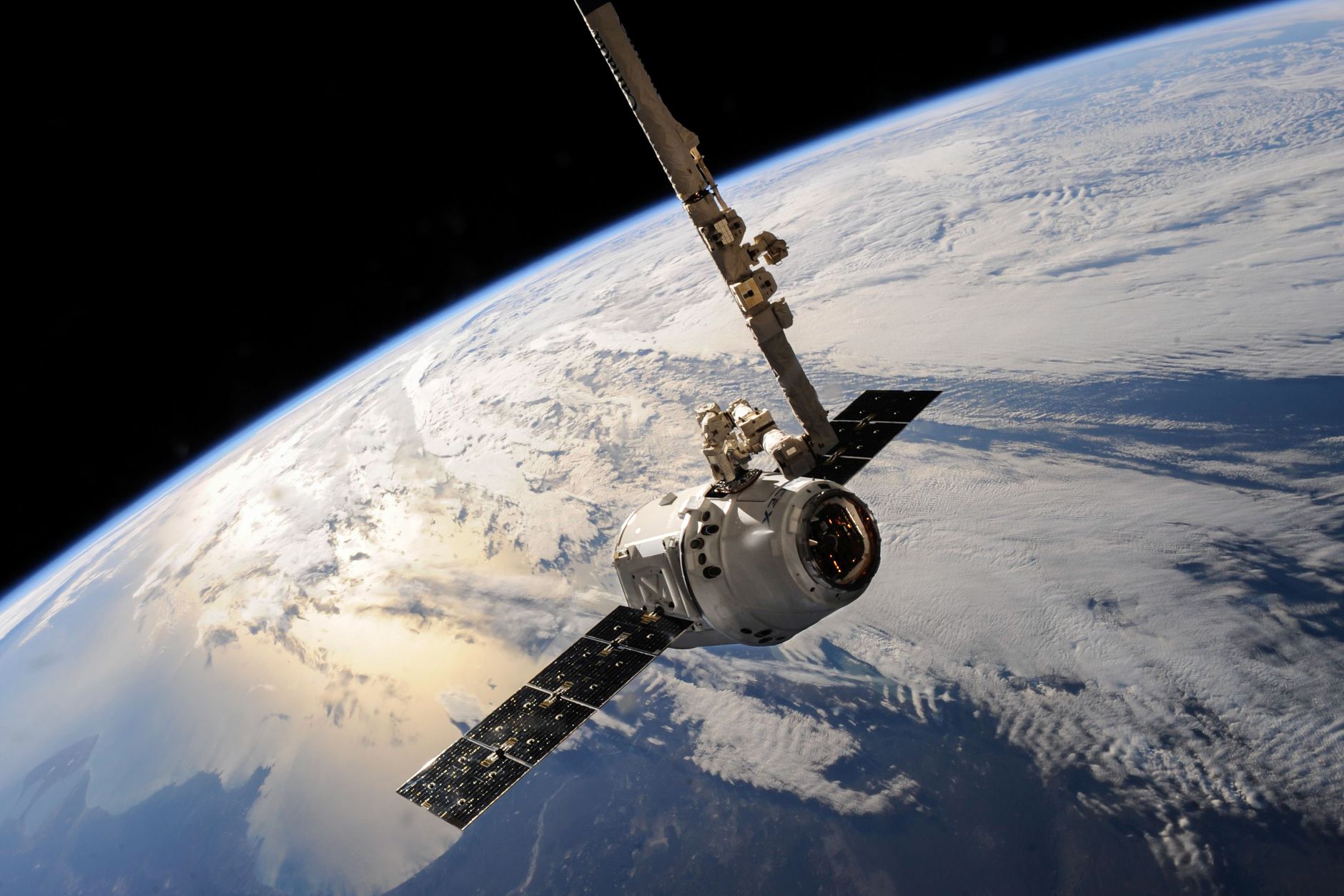
Commercial satellite imagery is becoming crucial for NATO allies in Europe to spot threats earlier. The demand for high-quality imagery is rising as security concerns grow.
The Importance of Satellite Imagery in Security
In an era where security challenges are evolving rapidly, the significance of commercial satellite imagery has become increasingly evident. NATO allies in Europe are emphasizing the need for enhanced satellite capabilities to address potential threats more effectively. The ability to monitor vast areas in real-time provides invaluable insights that can help in early detection and response.
Key benefits of utilizing satellite imagery in security include:
- Timely Intelligence: Quick access to updated visuals allows for faster decision-making.
- Comprehensive Coverage: Satellites can observe hard-to-reach areas, ensuring no threat goes unnoticed.
- Cost-Effectiveness: Commercial providers often offer more affordable solutions compared to traditional methods.
As such, the integration of commercial satellite imagery into security strategies is not just an option but a necessity for proactive defense.
How NATO Uses Commercial Satellites
NATO has increasingly recognized the value of commercial satellite imagery in enhancing its security operations. By integrating these advanced technologies, NATO aims to improve its ability to identify potential threats before they escalate. According to the CEO of a leading satellite firm, the alliance is actively seeking more partnerships with commercial providers to access high-resolution imagery.
This approach allows NATO to:
- Monitor troop movements and installations in real-time.
- Assess damage and changes in critical infrastructure.
- Evaluate environmental conditions that may impact operational readiness.
Furthermore, by leveraging commercial satellite imagery, NATO can complement its existing intelligence capabilities, ensuring that member nations are better prepared to respond to emerging challenges in a timely manner.
Advancements in Satellite Technology
Recent advancements in satellite technology have significantly enhanced the capabilities of commercial satellite imagery. With improved resolution and faster data acquisition, these satellites are now able to provide more detailed and timely information than ever before. This rapid advancement has become crucial for security applications, allowing organizations to identify potential threats swiftly.
Some key innovations include:
- Higher resolution imaging: Enhanced sensors enable clearer images, making it easier to distinguish between different objects and activities on the ground.
- Real-time data processing: Advanced algorithms and artificial intelligence facilitate quicker analysis, allowing for immediate response to emerging threats.
- Increased satellite constellations: The proliferation of small satellites has increased coverage and frequency of imaging, enhancing situational awareness.
As these technologies continue to evolve, the value of commercial satellite imagery in security contexts will grow, offering a smarter way to spot threats early.
Future of Threat Detection in Europe
The future of threat detection in Europe is increasingly reliant on commercial satellite imagery. As NATO allies emphasize the need for enhanced surveillance capabilities, the demand for high-resolution images from commercial satellites is on the rise. This shift is driven by the desire to identify potential threats swiftly and accurately.
In recent discussions, military leaders have highlighted the advantages of leveraging private sector technology, which can provide real-time data and improve situational awareness. The integration of commercial satellite imagery into defense strategies allows for a more agile response to emerging security challenges.
Moreover, the partnership between military organizations and commercial satellite providers is expected to foster innovation, leading to enhanced imaging technology. As this collaboration deepens, Europe may find itself better equipped to address potential threats before they escalate into significant issues.
Photo by SpaceX on Pexels