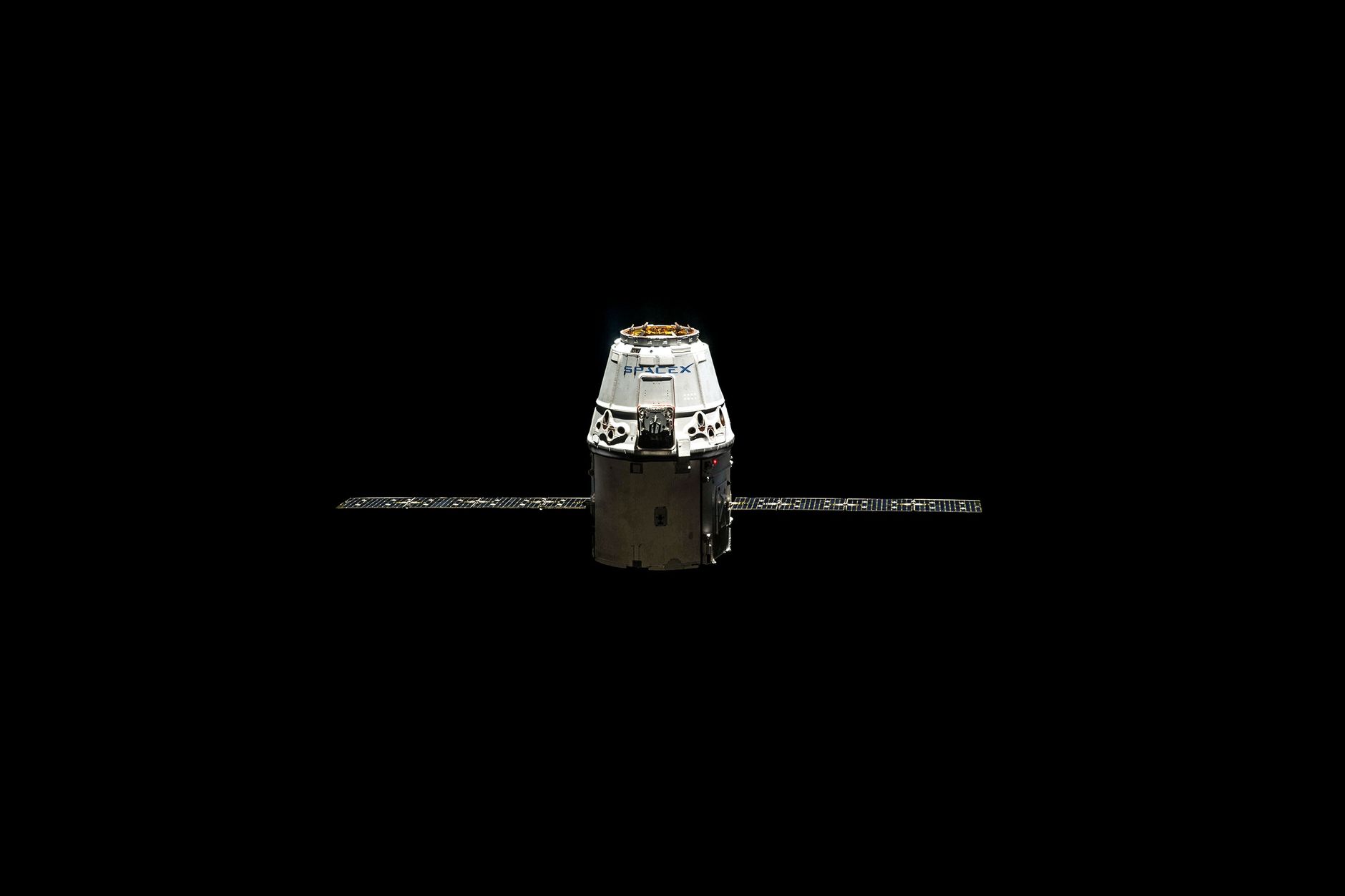
The airborne threats satellite is a groundbreaking innovation aimed at enhancing security measures. This new technology launched by a German conglomerate is set to revolutionize how we detect and respond to airborne threats.
What are airborne threats?
Airborne threats refer to various dangers that originate from the sky, posing risks to both civilian and military operations. These threats can take many forms, including:
- Unmanned Aerial Vehicles (UAVs): Often used for reconnaissance or attacks, drones have become increasingly sophisticated and accessible.
- Missiles: Ballistic and cruise missiles can be launched from land or sea, targeting specific locations with devastating precision.
- Aircraft: Both commercial and military aircraft can be involved in accidents or nefarious activities, such as unauthorized surveillance.
- Biological and Chemical Agents: Certain airborne threats may involve the release of harmful substances, posing health risks to populations.
With advancements in technology, monitoring and identifying these threats has become crucial for national and global security. The recent launch of a satellite designed specifically to detect airborne threats represents a significant step towards enhancing safety measures. This airborne threats satellite aims to provide real-time data and early warning systems, allowing for prompt responses to potential dangers. As the nature of such threats evolves, so too must our strategies and tools for detection and prevention, making this satellite an important asset in the ongoing effort to maintain safety in our skies.
How does the satellite work?
The newly launched airborne threats satellite employs advanced technology to detect and monitor potentially hazardous objects in the atmosphere. This satellite utilizes a combination of sensors and sophisticated algorithms to identify airborne threats such as drones and other unauthorized aerial vehicles.
Once the satellite is in orbit, it continually scans the surrounding airspace, employing the following methods:
- Radar Imaging: The satellite uses high-resolution radar systems to capture detailed images of objects in flight, allowing for accurate identification.
- Infrared Detection: By utilizing infrared sensors, the satellite can detect heat signatures from engines, helping to identify both small and large airborne threats.
- Data Fusion: The system integrates data from multiple sensors, enhancing the accuracy and reliability of threat detection.
Once a potential airborne threat is detected, the satellite transmits real-time information back to ground stations. This enables authorities to respond swiftly and effectively, potentially averting disasters. By employing a network of these satellites, safety measures can be enhanced significantly. The implementation of the airborne threats satellite represents a promising advancement in aerial security, but its effectiveness will depend on the continuous monitoring and adaptation of its systems.
The importance of satellite technology in security
In an era where security concerns are escalating, the role of satellite technology in safeguarding our airspace is becoming increasingly critical. The recent launch of a satellite designed specifically to identify airborne threats signifies a significant advancement in surveillance capabilities. With the ability to monitor vast areas in real-time, these satellites can detect potential dangers before they escalate into serious incidents.
Satellite technology offers several advantages in enhancing security measures:
- Wide Coverage: Satellites can provide extensive surveillance over large geographical areas, making it easier to spot airborne threats from considerable distances.
- Real-Time Data: The data collected by satellites can be transmitted instantly to ground control, allowing for rapid response to potential threats.
- Integration with Other Systems: Satellite data can be integrated with other security systems, creating a comprehensive approach to airspace monitoring.
- Cost-Effectiveness: Compared to traditional surveillance methods, satellites can often offer a more economical solution for monitoring vast regions.
As airborne threats become more sophisticated, the implementation of advanced satellite technologies could be the best solution for ensuring safety in our skies.
Recent advancements in space technology
Recent advancements in space technology have significantly improved our ability to detect and respond to airborne threats. Innovations in satellite design and functionality have made it possible to monitor vast areas of the Earth’s atmosphere with unprecedented precision. These developments have led to the deployment of specialized satellites capable of identifying potential dangers from miles above the surface.
One notable example is the recent launch by a German conglomerate, which has introduced a new satellite aimed at identifying airborne threats. This satellite is equipped with advanced sensors and imaging technology that can detect unusual activity in the sky, from unauthorized aircraft to potential missile launches. The integration of artificial intelligence allows for real-time processing of data, ensuring swift responses to identified threats.
Additionally, the collaboration between international space agencies has accelerated the sharing of information and technology, enhancing the effectiveness of airborne threats satellites. The global network of satellites works together to provide comprehensive coverage, allowing for early warning systems that could save lives and protect critical infrastructure.
As the landscape of aerial security continues to evolve, the role of satellites in safeguarding our skies becomes increasingly vital.
Potential impacts on national security
The launch of the airborne threats satellite by the German conglomerate marks a significant step in enhancing national security. By providing real-time data and surveillance capabilities, this satellite is poised to transform how countries monitor and respond to potential airborne threats.
One of the primary impacts of this technology is the ability to detect and neutralize threats before they reach critical infrastructure. This proactive approach can lead to:
- Increased safety: By identifying risks earlier, governments can implement measures to protect citizens and assets effectively.
- Improved response times: Enhanced situational awareness allows military and defense agencies to react swiftly to potential incursions.
- International collaboration: The shared data from the airborne threats satellite may foster partnerships among nations, promoting collective security efforts.
- Deterrence: The knowledge that such surveillance exists could deter hostile entities from engaging in aggressive actions.
However, the deployment of such technology also raises concerns regarding privacy and the potential for misuse. As nations embrace advancements in space technology, a balance must be struck between security and civil liberties to ensure the responsible use of the airborne threats satellite.
Challenges in airborne threat detection
Detecting airborne threats effectively poses several challenges that can limit the efficiency of satellite technology. One major issue is the accuracy of detection. Satellites rely on advanced sensors to identify potential threats, yet factors such as weather conditions, atmospheric interference, and satellite orbit can affect the clarity and precision of the data received.
Another challenge is the timeliness of response. Even with real-time monitoring capabilities, the latency involved in processing satellite data and relaying information to ground control can delay decision-making during critical situations. This can lead to missed opportunities to intercept potential airborne threats.
Moreover, the cost of deployment and maintenance of airborne threats satellites can be substantial. Governments and organizations must weigh the financial implications against the security benefits, often leading to debates about resource allocation.
- Technological limitations: Existing satellite systems may not be equipped to handle all types of airborne threats.
- Data overload: The vast amount of data generated can overwhelm analytical systems, complicating threat assessment.
- Integration with existing defense systems: Ensuring seamless communication between satellite data and ground-based systems remains a complex task.
Future of satellite technology
The future of satellite technology looks promising, especially with the recent developments in airborne threats satellite systems. These advanced satellites are designed to enhance detection capabilities and provide real-time data, significantly improving response times to potential threats.
As technology evolves, the integration of artificial intelligence and machine learning into satellite systems will likely play a crucial role. These innovations can analyze vast amounts of data more efficiently, identifying patterns and anomalies that may indicate airborne threats.
Furthermore, collaboration between government agencies and private companies is expected to accelerate the deployment of these technologies. By pooling resources and expertise, stakeholders can enhance the effectiveness of airborne threats satellite systems, ensuring comprehensive coverage and protection.
Another exciting development on the horizon is the potential for smaller, more agile satellites. These could be deployed in constellations, allowing for continuous monitoring and quicker updates on airborne threats. This shift toward miniaturization not only reduces costs but also increases flexibility in responding to emerging security challenges.
In conclusion, the future of satellite technology is set to revolutionize airborne threat detection, offering enhanced safety measures and greater national security in an increasingly complex world.
Conclusion: The role of satellites in modern safety
In conclusion, the role of satellites in modern safety cannot be understated. As the landscape of security evolves, the introduction of an airborne threats satellite marks a significant advancement in our ability to monitor and respond to potential dangers. These satellites provide a comprehensive view of the atmosphere, allowing for the early detection of threats that may otherwise go unnoticed.
Key benefits of utilizing satellite technology for airborne threat detection include:
- Real-time monitoring: Satellites can continuously scan vast areas, offering up-to-date information on potential risks.
- Enhanced response capabilities: With timely data, authorities can react swiftly to emerging threats, potentially saving lives.
- Global coverage: Satellites have the unique ability to monitor remote regions, ensuring that no area is left vulnerable.
However, challenges remain, such as technological limitations and the need for international collaboration. As advancements continue, the integration of airborne threats satellites into security frameworks will likely play a crucial role in shaping our response to future threats. Ultimately, investing in these technologies is essential for ensuring safety in an increasingly complex world.
The airborne threats satellite has the potential to revolutionize our approach to national security. By providing real-time data, the airborne threats satellite could significantly enhance our ability to respond to potential dangers.
By Support your local Air Museum! (HawkeyeUK) via Openverse