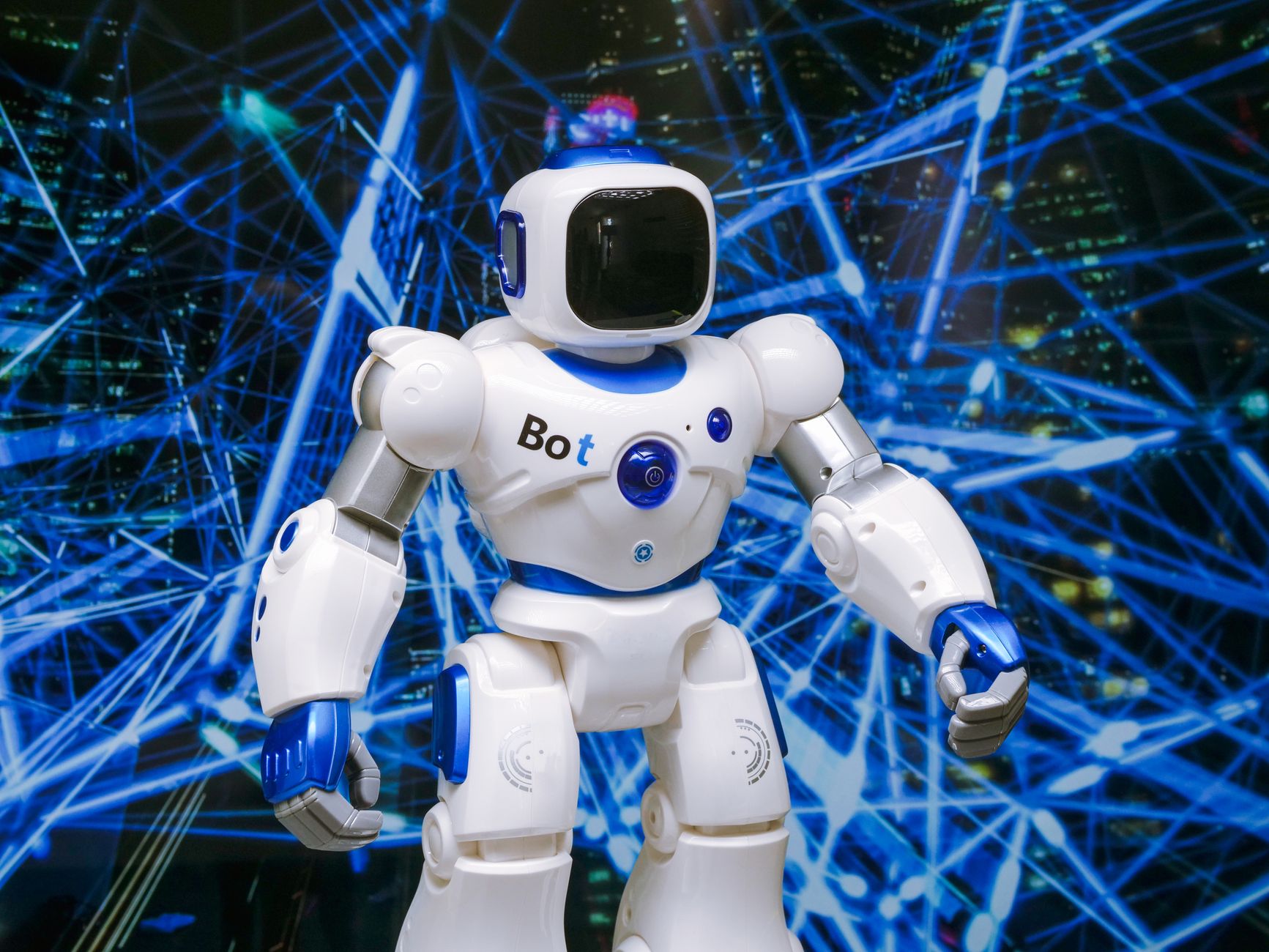
The advanced robotics AI model is making waves in the tech world, showcasing incredible capabilities that enhance automation and efficiency.
What is the Advanced Robotics AI Model?
The Advanced Robotics AI Model represents a significant leap in the field of artificial intelligence, specifically designed to enhance the capabilities of robotic systems. Developed by leading experts in the field, this model integrates advanced machine learning techniques to enable robots to perform complex tasks with unprecedented efficiency and accuracy.
At its core, the Advanced Robotics AI Model utilizes deep learning algorithms that allow it to learn from vast amounts of data, making it capable of adapting to new environments and challenges. This adaptability is crucial in various applications, from manufacturing to healthcare, where robots need to operate in dynamic settings.
The model is equipped with features that enable real-time decision-making, making it suitable for tasks that require immediate responses. For instance, in industrial settings, robots can autonomously identify and correct errors in production lines, thereby minimizing downtime and enhancing productivity.
Moreover, the Advanced Robotics AI Model is designed to work in collaboration with human operators, ensuring safety and efficiency. This collaborative approach fosters a synergy between human intelligence and robotic precision, paving the way for innovative solutions across multiple industries.
As technology continues to evolve, the implications of the Advanced Robotics AI Model are vast, promising to revolutionize how we interact with machines and redefine the future of work.
Key Features of the New AI Model
The new advanced robotics AI model from Google DeepMind boasts several key features that set it apart from previous technologies in the field. Designed to enhance operational efficiency and adaptability, this model integrates cutting-edge algorithms and machine learning techniques.
One of the most notable features is its ability to learn from minimal data. This capability allows the AI model to generalize its knowledge and apply it to various tasks without the need for extensive training datasets. As a result, users can deploy the technology across diverse applications with reduced time and resources.
Another significant advancement is the model’s real-time decision-making ability. By processing information at unprecedented speeds, it can respond to dynamic environments, making it particularly effective in unpredictable scenarios. This is crucial for industries such as manufacturing, logistics, and healthcare, where rapid adaptability can lead to improved outcomes.
Additionally, the model emphasizes collaboration between robots and humans. With enhanced communication protocols, it can work alongside human operators, learning from their actions and feedback to improve its performance continuously.
In summary, the advanced robotics AI model represents a leap forward in robotics technology, combining efficiency, adaptability, and collaboration to meet the demands of modern industries.
Applications in Various Industries
The advanced robotics AI model has shown remarkable versatility across various industries, revolutionizing how tasks are performed. Its capabilities extend into multiple sectors, providing innovative solutions that enhance productivity and efficiency.
- Manufacturing: In manufacturing, the advanced robotics AI model streamlines production lines by automating repetitive tasks, reducing errors, and increasing output. Robots equipped with this technology can adapt to new products with minimal reprogramming, ensuring flexibility in operations.
- Healthcare: In the healthcare sector, this AI model aids in surgical procedures and patient care. Advanced robotics assist surgeons with precision, while AI-driven systems manage patient data, optimizing treatment plans and improving outcomes.
- Agriculture: The agriculture industry benefits from the advanced robotics AI model through automated harvesting and monitoring systems. These robots can assess crop health, manage irrigation, and optimize resource use, leading to increased yields.
- Logistics: In logistics, the model enhances supply chain efficiencies by automating warehouse operations and optimizing delivery routes. This not only speeds up processes but also reduces operational costs.
As the advanced robotics AI model continues to evolve, its applications are expected to expand, offering even more innovative solutions across different fields.
Comparison with Previous Models
The introduction of the advanced robotics AI model marks a significant leap forward when compared to previous iterations. Early robotics models relied heavily on pre-programmed instructions, which limited their ability to adapt to dynamic environments. In contrast, the new AI model utilizes machine learning techniques that allow it to learn from its surroundings and improve its performance over time.
One of the key differences is in the model’s decision-making capabilities. Previous models often struggled with real-time data processing and required considerable human intervention. However, the advanced robotics AI model incorporates sophisticated algorithms that enable it to analyze complex data swiftly and efficiently, leading to more autonomous operations.
- Learning Efficiency: The latest model can gain insights from fewer training examples, unlike earlier systems that needed extensive datasets.
- Adaptability: It can adjust to unforeseen circumstances, which was a challenge for traditional robots.
- Collaboration: The new AI model supports enhanced teamwork among robots, allowing them to work together seamlessly.
Overall, the advanced robotics AI model demonstrates significantly improved performance and versatility, setting a new standard in robotic technology. This evolution not only enhances operational effectiveness but also opens up new possibilities for automation in various fields.
Understanding Gene Prediction Technology
The field of genetics has seen significant advancements with the introduction of innovative technologies. One of the most exciting developments is the application of an advanced robotics AI model in gene prediction. This technology leverages sophisticated algorithms to analyze vast amounts of genetic data, enabling researchers to make predictions about gene functions and interactions.
To understand how gene prediction works, it is essential to consider the following key aspects:
- Data Integration: The model integrates data from various sources, including genomic sequences, experimental results, and biological databases.
- Machine Learning: Utilizing machine learning techniques, the AI model identifies patterns and relationships within the genetic data that would be difficult for scientists to discern manually.
- Accuracy and Efficiency: The advanced robotics AI model enhances prediction accuracy, allowing for quicker results and more reliable applications in research and healthcare.
- Collaboration Potential: By providing insights into gene functions, this technology fosters collaboration among geneticists, biologists, and data scientists, ultimately pushing the boundaries of genetic research.
As gene prediction technology continues to evolve, the implications for personalized medicine and biotechnology are profound, promising to revolutionize how we approach genetic disorders and treatments.
Future of Robotics with AI
The future of robotics is poised for a significant transformation with the introduction of the advanced robotics AI model. This groundbreaking technology aims to enhance automation and efficiency across various sectors, fundamentally changing how robots interact with their environments.
One of the most promising aspects of this AI model is its ability to learn and adapt continuously. Unlike traditional robotics systems, which often rely on pre-programmed instructions, the advanced robotics AI model leverages machine learning algorithms to develop new skills over time. This capability allows robots to perform complex tasks with greater precision and reliability, leading to improved outcomes in manufacturing, healthcare, and logistics.
Moreover, as industries increasingly adopt smart technologies, the demand for robots that can work alongside humans will grow. The advanced robotics AI model facilitates this collaboration by enabling robots to understand and respond to human actions in real-time, creating a safer and more efficient work environment.
Looking ahead, the integration of this AI model into everyday applications will likely lead to innovations that were once thought to be science fiction. As companies invest in research and development, we can expect to see robots that not only assist but also enhance human capabilities, driving productivity to new heights.
In conclusion, the advanced robotics AI model marks a significant milestone in the evolution of robotics, paving the way for a future where intelligent machines play an integral role in our daily lives.
Expert Opinions on the Release
Experts in the field of artificial intelligence and robotics have weighed in on the recent release of the advanced robotics AI model by Google DeepMind, highlighting its potential to revolutionize the industry. Many believe that this model represents a significant leap forward in the capabilities of robotic systems.
Dr. Emily Chen, a leading robotics researcher, stated, “The advanced robotics AI model is not just an incremental improvement; it fundamentally changes how robots can interact with their environments. Its ability to learn from complex data sets will enable robots to perform tasks that were previously thought impossible.”
Additionally, Professor Mark Thompson, an AI ethics expert, emphasized the importance of this technology: “As we advance our robotics capabilities, ethical considerations must keep pace. The advanced robotics AI model offers unprecedented efficiency, but we must ensure that it is used responsibly.”
Industry leaders are also optimistic. Sarah Lopez, CEO of a leading automation firm, remarked, “The applications of the advanced robotics AI model in sectors such as manufacturing and healthcare will be transformative. We are on the brink of a new era in robotics.”
As the technology continues to evolve, the insights from these experts suggest a bright future, filled with opportunities and challenges for the field of robotics.
How It Affects the AI Landscape
The introduction of the advanced robotics AI model by Google DeepMind is poised to significantly reshape the AI landscape. As industries increasingly adopt intelligent automation, this breakthrough technology enhances operational efficiency and opens new avenues for innovation.
One of the most notable impacts of this AI model is its ability to improve decision-making processes in real time. By leveraging machine learning algorithms and complex data analysis, organizations can now optimize workflows and reduce human error, leading to improved productivity and safety.
Moreover, the advanced robotics AI model fosters collaboration between humans and machines. This synergy allows for a more dynamic work environment, where robots can assist in intricate tasks while humans focus on strategy and creativity. Such collaboration is essential in sectors like manufacturing, healthcare, and logistics, where precision and adaptability are crucial.
Additionally, the model’s influence extends to research and development. With enhanced predictive capabilities, it can facilitate discoveries in various fields, such as genomics and materials science. Organizations that harness this technology can stay ahead of the competition, making informed decisions based on accurate forecasts.
In summary, the advanced robotics AI model is not just a technological advancement; it is a catalyst for transformation across industries, influencing the way businesses operate and innovate in a rapidly evolving landscape.
Photo by Kindel Media on Pexels