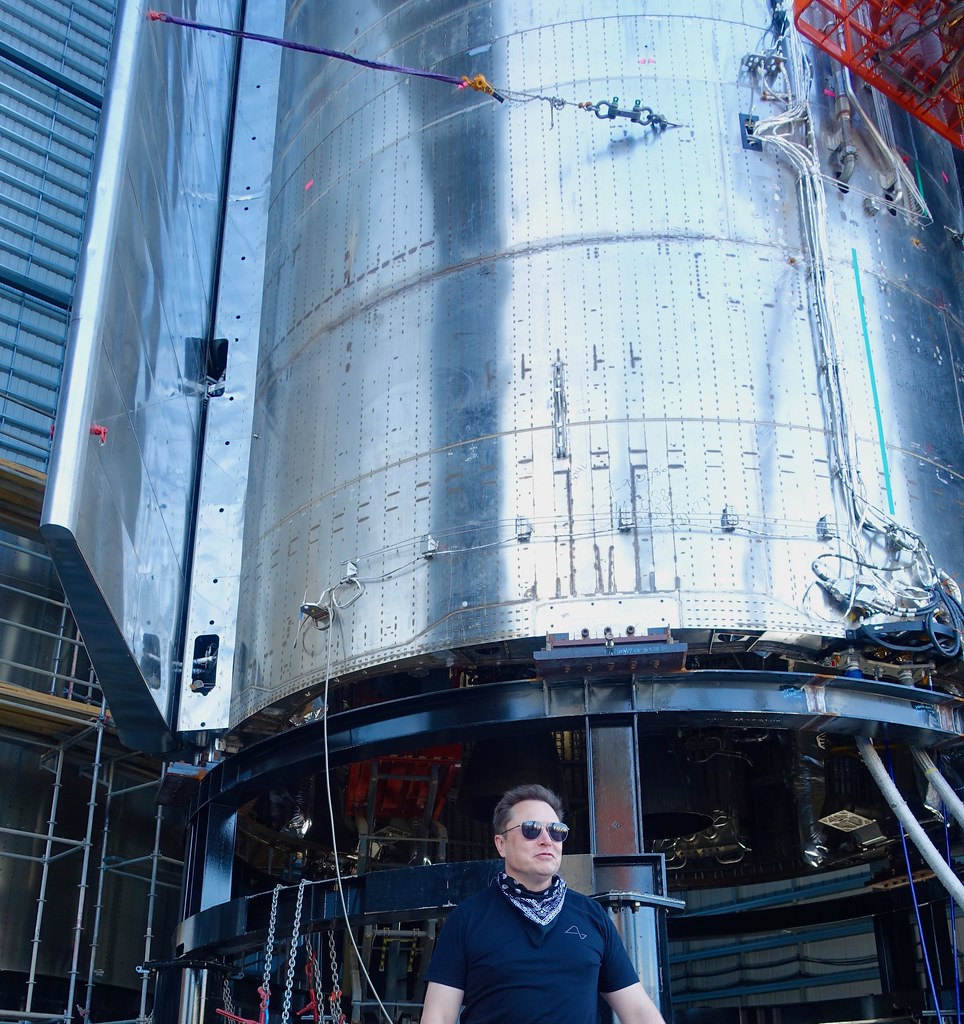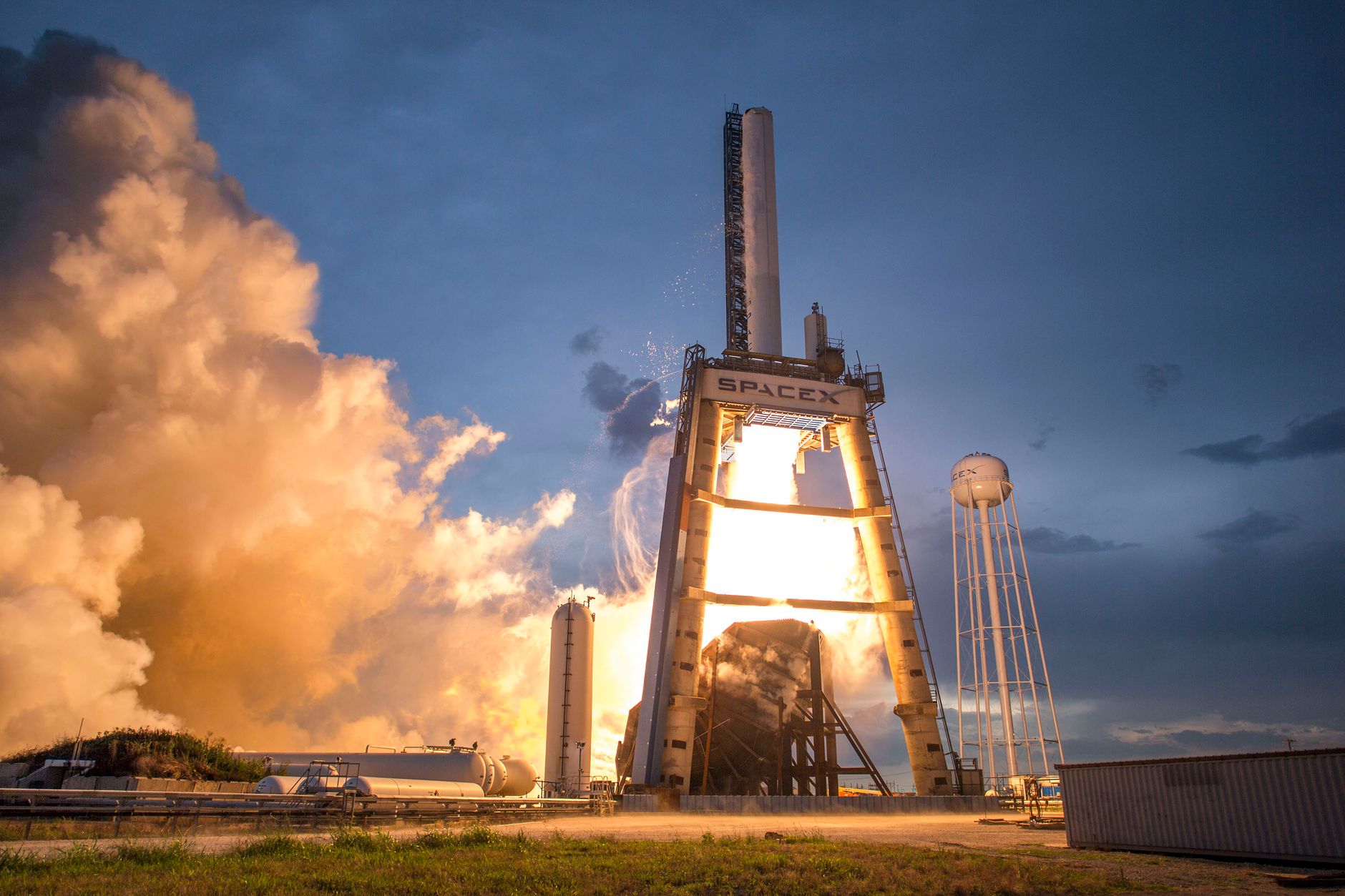
SpaceX rocket catch has made history with a successful operation in Texas, pushing the boundaries of aerospace technology and innovation.
What is the SpaceX rocket catch?
The recent achievement of SpaceX in successfully catching a rocket has sparked widespread discussion about its significance in the history of space exploration. The SpaceX rocket catch involved using a massive net to capture the booster stage of the Falcon 9 rocket as it returned to Earth. This innovative technique not only showcases SpaceX’s engineering prowess but also highlights a shift towards more sustainable space missions.
Traditionally, rocket stages would either fall into the ocean or be discarded, leading to increased costs and environmental concerns. The successful catch in Texas represents a new approach to reusability in rocketry. Key features of this milestone include:
- Enhanced cost efficiency by reusing rocket components.
- Reduction of debris in oceanic areas.
- Improved reliability for future missions.
As SpaceX continues to innovate, the implications of this achievement may resonate for decades to come, potentially redefining how humanity approaches space travel.
How did SpaceX achieve this feat?
SpaceX has achieved a remarkable milestone with its successful rocket catch, showcasing their innovative approach to rocket recovery. This achievement is the result of years of research, development, and testing, allowing the company to refine its technology and methods.
Key elements that contributed to this success include:
- Advanced Engineering: SpaceX developed unique designs for their rockets that enable them to withstand the stresses of landing.
- Precision Landing Systems: The implementation of GPS and onboard sensors allows the rocket to navigate and position itself accurately during descent.
- Reusable Components: By focusing on reusability, SpaceX reduces costs and increases the frequency of launches.
- Extensive Testing: Numerous test flights have provided invaluable data to optimize the rocket catch process.
Overall, the SpaceX rocket catch represents not only a technical achievement but a significant step forward in the quest for sustainable space exploration.
The significance of the Texas launch
The recent launch in Texas marked a pivotal moment for SpaceX as the company successfully executed a rocket catch, a feat that has drawn significant attention from the aerospace community and beyond. This groundbreaking achievement is not just a technical triumph; it signifies a substantial leap towards more sustainable space travel.
By catching its rocket mid-air, SpaceX has showcased its commitment to reducing costs and enhancing reusability, which are crucial for future missions. The implications of this success extend far beyond the immediate spectacle, as it could pave the way for more ambitious projects, including Mars colonization and deep-space exploration.
Experts are already debating whether the SpaceX rocket catch is the best milestone in history, given its potential to transform the industry. The event has sparked conversations about innovation, safety, and the future of human spaceflight, making it a defining moment in the annals of aerospace achievements.
Comparing SpaceX’s achievements
SpaceX has consistently pushed the boundaries of space exploration and technology, and the recent SpaceX rocket catch adds to their impressive list of accomplishments. Over the years, the company has achieved several significant milestones that have reshaped the aerospace industry.
Among these achievements, the following stand out:
- Reusable Rockets: The development of reusable rocket technology has drastically reduced the cost of space travel.
- Crewed Missions: Successfully sending astronauts to the International Space Station has reestablished U.S. leadership in human spaceflight.
- Starlink Deployment: The launch of Starlink satellites aims to provide global internet coverage, showcasing innovation beyond traditional space missions.
Each of these milestones has contributed to making space more accessible and affordable. With the remarkable success of the rocket catch in Texas, SpaceX continues to redefine what is possible in aerospace engineering.
Future implications for space travel
The successful SpaceX rocket catch marks a pivotal moment in the evolution of space travel. This innovative technique not only reduces the cost of missions but also enhances sustainability in the aerospace industry. By effectively catching rockets mid-air, SpaceX demonstrates a commitment to reusability that could set a new standard for future launches.
As other companies observe this achievement, it may stimulate a wave of technological advancements and collaborative efforts in space exploration. The ability to recover and reuse rockets could lead to increased frequency of launches, making space more accessible than ever before.
Moreover, this milestone could inspire new regulations and practices within the industry, prompting a shift toward more environmentally friendly rocket technologies. The implications of the SpaceX rocket catch extend beyond mere economics; they signify a transformative change in how humanity approaches space exploration, potentially paving the way for missions to Mars and beyond.
Expert reactions to the milestone
Experts in the aerospace industry have responded enthusiastically to SpaceX’s groundbreaking rocket catch, calling it a potential game-changer for future space missions. Dr. Emily Carter, an astrophysicist at MIT, stated, “This milestone not only showcases SpaceX’s innovative engineering but also sets a new standard for sustainable space travel.”
Many believe that the success of the SpaceX rocket catch could lead to reduced costs in launching and recovering rockets. Professor Mark Lee from Stanford University emphasized, “If SpaceX can refine this process, we might see a new era of frequent and affordable access to space.”
Additionally, industry analysts are optimistic about the implications for commercial space ventures. Jane Smith, a space policy expert, remarked, “Today’s achievement is a clear signal to investors and competitors alike that reusable technology is the future. This rocket catch could very well redefine the landscape of aerospace engineering.”
What’s next for SpaceX?
As SpaceX continues to push the boundaries of innovation, many are left wondering what’s next for the company following their historic rocket catch. This groundbreaking achievement not only showcases their engineering prowess but also opens the door to several exciting possibilities in the realm of space exploration.
In the coming years, SpaceX aims to:
- Enhance reusability: Building on the success of the rocket catch, the company plans to further refine its reusable rocket technology to reduce costs and increase launch frequency.
- Expand missions: With a focus on deep space travel, SpaceX is preparing for missions to the Moon and Mars, potentially utilizing their catch technique for future launches.
- Collaborate with NASA: Strengthening partnerships with government agencies will be crucial for upcoming missions, especially in crewed space travel.
Ultimately, the SpaceX rocket catch sets a new standard for the aerospace industry, paving the way for unprecedented advancements in space travel.
The SpaceX rocket catch represents a groundbreaking achievement in aerospace engineering. Many experts believe that the SpaceX rocket catch could redefine the future of space travel.
Photo by SpaceX on Pexels