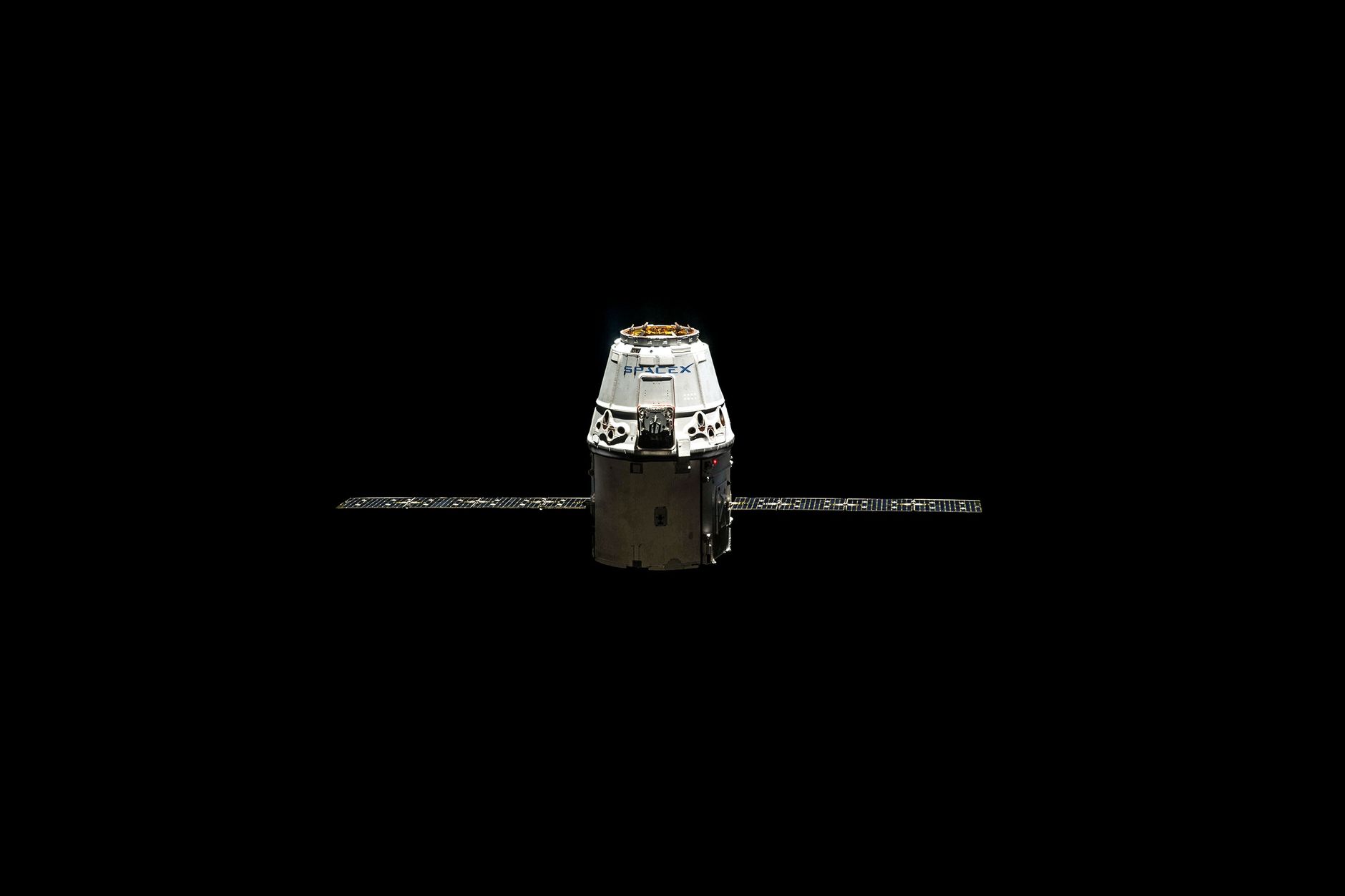
SpaceX Starship recovery could lower launch costs for Indian satellite companies, opening new opportunities for innovation and growth in the satellite industry.
Understanding SpaceX’s Starship Recovery
SpaceX’s Starship recovery system is poised to revolutionize the aerospace industry by significantly lowering launch costs. The innovative recovery process involves landing the rocket’s components back on Earth after a mission, allowing for their reuse in future launches. This approach not only enhances efficiency but also reduces expenses associated with manufacturing new rockets.
As satellite companies in India look to expand their capabilities, understanding the potential of SpaceX’s Starship recovery becomes crucial. By adopting similar recovery methods, these companies can achieve substantial savings and improve their competitive edge in the global market.
The benefits of this technology extend beyond financial savings. It also promotes sustainability in space exploration by minimizing waste and environmental impact. As the industry evolves, SpaceX’s Starship recovery can serve as a model for other nations and companies aiming to establish more cost-effective launch solutions.
In conclusion, the advancements in rocket recovery systems not only promise lower costs but also pave the way for a more sustainable future in space travel.
Impact on Indian Satellite Companies
The recent developments in SpaceX Starship recovery are poised to significantly impact Indian satellite companies. As the aerospace industry evolves, these companies are positioned to capitalize on reduced launch costs facilitated by SpaceX’s innovative recovery methods.
Traditionally, launching satellites has been an expensive endeavor, often limiting access for smaller players in the market. However, with reusable technologies like those employed by SpaceX, the cost of launches can be drastically lowered, leading to several crucial benefits for Indian firms:
- Increased Accessibility: Reduced costs mean more frequent launch opportunities, allowing for a greater number of satellites to be deployed.
- Innovation Boost: Cost savings can be redirected towards research and development, fostering innovation within the Indian space sector.
- Competitive Edge: With lower launch prices, Indian satellite companies can compete more effectively on a global scale.
Overall, the advancements in SpaceX Starship recovery may represent a turning point for the Indian satellite industry, enabling it to thrive in an increasingly competitive landscape.
Cost Benefits of Reusable Rockets
The development of reusable rockets has revolutionized the aerospace industry, significantly impacting launch costs. SpaceX’s Starship recovery system exemplifies how reusability can drive down expenses associated with satellite deployment and space missions.
By employing a robust recovery mechanism, SpaceX aims to:
- Reduce manufacturing costs: Reusable rockets minimize the need for building new launch vehicles for every mission, allowing for substantial savings.
- Increase launch frequency: With successful recovery, rockets can be refurbished and relaunched more quickly, enhancing operational efficiency.
- Expand access to space: Lower launch costs open opportunities for various companies, especially those in emerging markets like India, to deploy satellites and conduct research.
As SpaceX continues to refine its Starship recovery techniques, it is likely to set new industry standards, encouraging more players to adopt similar practices. This shift not only benefits commercial entities but also paves the way for innovative projects that were previously deemed too costly.
The Future of Space Launches
The future of space launches is evolving rapidly, thanks in large part to innovations like SpaceX’s Starship recovery. As the aerospace industry shifts towards sustainable practices, the emphasis on reusability has grown significantly. This trend not only reduces costs but also opens up new opportunities for various stakeholders, particularly in emerging markets.
With the successful recovery of SpaceX’s Starship, companies can expect to see:
- Decreased launch expenses: The ability to reuse rockets drastically cuts down the financial burden of space missions.
- Increased launch frequency: Reusable technology allows for more frequent launches, enhancing satellite deployment capabilities.
- Innovation in satellite technology: Lower costs can lead to increased investment in satellite advancements, benefiting various sectors.
As more companies and governments adopt similar reusability strategies, the landscape of space exploration and satellite deployment will become increasingly competitive, paving the way for a new era in the industry.
Innovation in Satellite Technology
In recent years, innovation in satellite technology has made significant strides, enhancing the capabilities and efficiency of space missions. Companies are now focusing on developing smaller, more efficient satellites that can be launched at a fraction of the cost. This shift is partially driven by advancements in materials science and miniaturization, allowing for the creation of lightweight satellites that are easier to deploy.
As the industry evolves, SpaceX’s Starship recovery system stands out as a key player in this transformative period. By enabling the reuse of rockets, it promises to revolutionize launch economics, making space more accessible than ever. The implications for satellite operators, especially in emerging markets like India, are profound.
- Cost Reduction: Increased access to affordable launches enables companies to deploy more satellites.
- Enhanced Capabilities: New technologies allow for better data transmission and processing.
- Global Collaboration: Lower costs facilitate partnerships and international projects.
In this dynamic landscape, the potential of SpaceX’s Starship recovery system could redefine the future of satellite deployment and space exploration.
Challenges for Indian Aerospace
The Indian aerospace sector faces numerous challenges as it seeks to compete with global players like SpaceX. One of the primary hurdles is the high cost associated with satellite launches, which can significantly impede the growth of local companies.
Moreover, the lack of advanced technology for rocket recovery has hindered India’s ability to adopt reusable rocket systems. As SpaceX Starship recovery practices demonstrate, reusability can drastically reduce operational costs. Indian aerospace companies are now under pressure to innovate and develop their own recovery systems.
Additionally, regulatory frameworks and bureaucratic processes can slow down the pace of advancements in technology and infrastructure. This often leads to delays in satellite deployments, which can ultimately affect the global competitiveness of Indian firms.
To overcome these challenges, stakeholders in the Indian aerospace sector must focus on:
- Enhancing research and development capabilities
- Fostering public-private partnerships
- Streamlining regulatory processes
By addressing these issues, India can better position itself in the evolving landscape of space exploration.
Global Trends in Rocket Recovery
As the aerospace industry evolves, global trends in rocket recovery are becoming increasingly significant. The successful SpaceX Starship recovery program has set a precedent that other companies are keen to follow. With the rising costs of space launches, many nations are looking to implement similar recovery techniques to maximize efficiency and reduce expenses.
Countries like the United States and members of the European Space Agency are investing in reusable launch systems that can decrease overall mission costs by allowing rockets to be refurbished and relaunched multiple times. This trend is not limited to developed nations; emerging space markets, particularly in Asia, are beginning to adopt these practices to enhance their capabilities.
For instance, India is exploring ways to integrate recovery methods within its existing space programs, aiming to create a more cost-effective launching environment. By studying SpaceX’s successful methodologies, Indian aerospace companies can identify best practices that could streamline their operations and enhance competitiveness in the global market.
- Adoption of reusable technology
- Investment in research and development
- Collaboration between countries
How SpaceX is Changing the Industry
SpaceX is revolutionizing the aerospace industry through its innovative approach to rocket recovery, particularly with the ongoing developments surrounding the SpaceX Starship recovery system. This method not only enhances efficiency but also significantly reduces the costs associated with launching payloads into space.
One of the key strategies that SpaceX employs is the reusability of its rockets. By landing and refurbishing their launch vehicles, the company has set a precedent that encourages other aerospace firms to explore similar technologies. This shift towards reusability has the potential to disrupt traditional launch cost models, making space more accessible for a variety of commercial applications.
Furthermore, as more companies, including those in India, adopt these technologies, we may see a ripple effect in the global market. The combination of lower costs and increased frequency of launches could lead to a surge in satellite deployments, thus unlocking new opportunities for innovation across various sectors.
Ultimately, SpaceX’s advancements in rocket recovery are not just beneficial for its operations but could also pave the way for a more sustainable and affordable space industry.
One of the most significant factors contributing to reduced launch costs is the efficiency of SpaceX Starship recovery methods. By optimizing the SpaceX Starship recovery process, the company aims to maximize the reusability of its rockets, ultimately leading to a decrease in overall expenses for future missions.
Photo by Pixabay on Pexels