
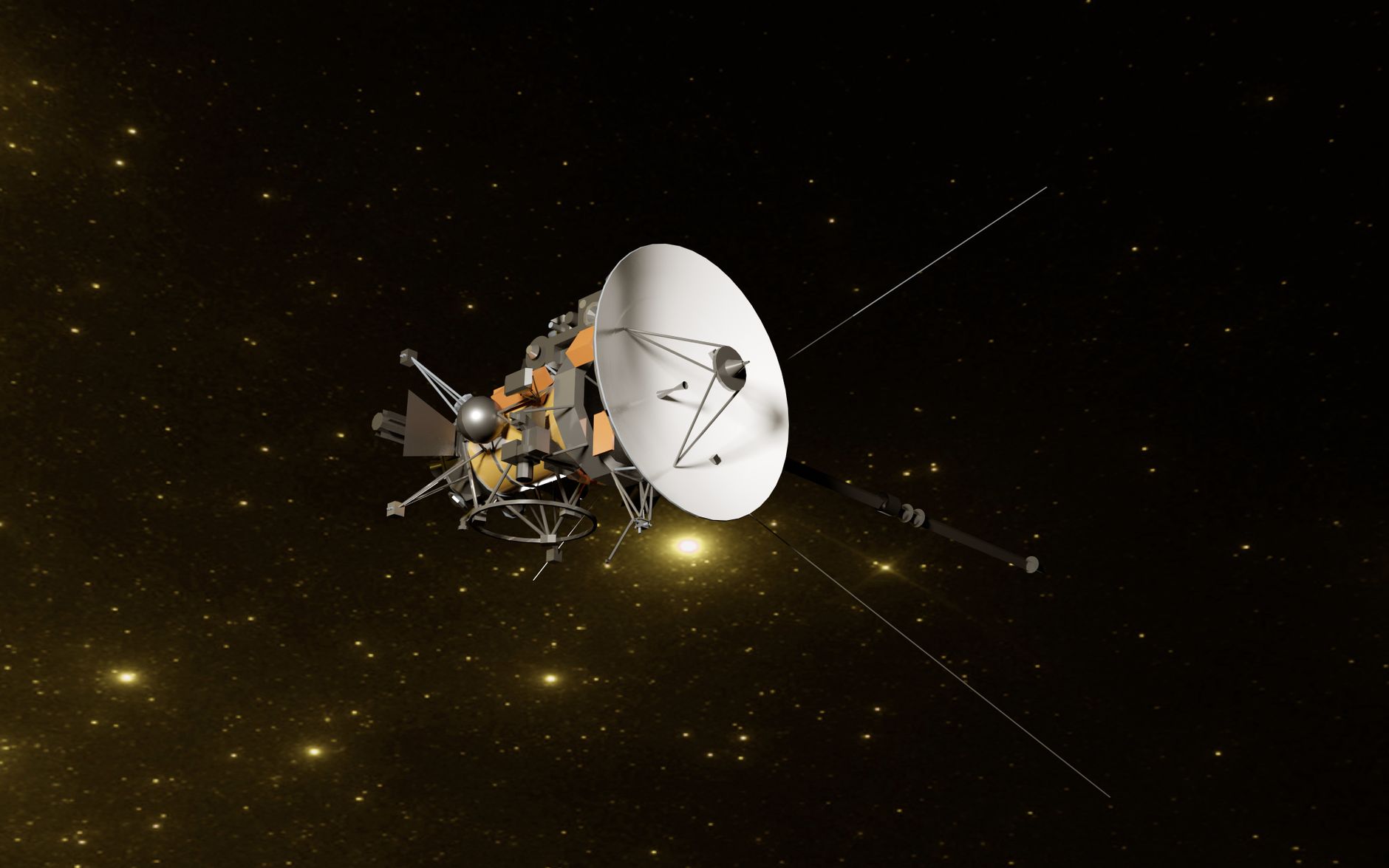
The long-lost space probe has sparked intrigue among scientists. A recent analysis suggests that an unusual object in space may actually be a probe from a bygone era, potentially altering our knowledge of space exploration.
What is the Odd Space Object?
Researchers have recently identified an odd space object that has captured the attention of astronomers worldwide. This peculiar object, initially detected in a distant orbit, has led to speculation that it may be a long-lost space probe from a past mission. Scientists are intrigued by its unusual trajectory and characteristics, which differ significantly from typical celestial bodies.
To better understand this odd space object, experts are analyzing several key features:
- Orbital Path: The object’s orbit suggests it may not be a natural formation, raising questions about its origin.
- Composition: Preliminary studies indicate that the materials found on its surface are consistent with human-made spacecraft.
- Signal Emission: Some researchers believe that it might still be transmitting faint signals, hinting at its operational status.
This long-lost space probe, if confirmed, could provide invaluable insights into the history of space exploration and humanity’s endeavors beyond Earth. As investigations continue, astronomers are eager to unlock the mysteries surrounding this enigmatic object.
The Significance of the Discovery
The recent revelation about the long-lost space probe has sent shockwaves through the scientific community. This discovery not only sheds light on the mysteries of space exploration but also opens up new avenues for understanding the timeline of our technological advancements.
Experts emphasize that identifying this object could enhance our knowledge of past missions and their trajectories. Moreover, the implications of this find extend beyond mere curiosity.
- Historical Context: The probe may provide crucial data about early space exploration efforts.
- Technological Insights: Analyzing the probe’s design can offer lessons for future space missions.
- Scientific Collaboration: This discovery encourages global partnerships among scientists and researchers.
As more details emerge, the significance of the long-lost space probe becomes increasingly clear. It is a reminder of humanity’s quest for knowledge and the importance of preserving our history in space exploration.
How Scientists Made the Connection
To uncover the identity of the enigmatic object, scientists conducted a thorough analysis using advanced imaging technology. This equipment allowed them to gather high-resolution data, revealing crucial details about the object’s structure and composition.
After months of investigation, researchers identified a series of markings on the surface that matched those of a long-lost space probe launched decades ago. The connection was established through:
- Historical Records: Scientists cross-referenced mission data, confirming that the probe had been reported missing.
- Orbital Trajectories: Calculations indicated the object’s path aligned with the original launch trajectory of the probe.
- Material Analysis: Spectroscopic analysis pointed to materials consistent with those used in the probe’s construction.
This meticulous research not only rekindles interest in the long-lost space probe but also raises questions about the mission’s original objectives and the data that may still be contained within the object. Scientists are eager to explore the implications of this remarkable discovery.
Public Reaction to the Findings
The revelation that the odd space object may be a long-lost space probe has sparked a wave of excitement and intrigue among the public. Social media platforms are buzzing with reactions, as users share their thoughts and theories about this mysterious find.
Many space enthusiasts are thrilled at the possibility of uncovering a piece of history, while others express skepticism regarding the probe’s origins. Comments range from:
- “This could change everything we know about space exploration!”
- “How can we be sure it’s not just space debris?”
- “I can’t wait to see what they discover next!”
Additionally, some individuals are calling for more transparency from the scientific community, urging researchers to share data and analysis in real time. As excitement builds, the intersection of science and public curiosity highlights the importance of engaging the community in discussions about space exploration.
Ultimately, this finding reminds us of the vastness of our universe and the mysteries that still await discovery.
Future Research Directions
As researchers continue to analyze the long-lost space probe, several future research directions have emerged. Scientists are eager to delve deeper into the probe’s composition and trajectory, which could shed light on its origins and purpose.
Key areas of focus include:
- Advanced Imaging Techniques: Utilizing cutting-edge imaging technology to capture detailed images of the probe’s surface may reveal crucial clues about its construction and materials.
- Orbital Analysis: By studying the object’s current orbit, scientists hope to reconstruct its path through the solar system and understand how it ended up in its present location.
- Data Retrieval: Efforts are underway to recover any remaining data that the long-lost space probe might still contain, as this could provide invaluable insights into its mission and discoveries.
- Collaboration with International Space Agencies: Engaging with global space organizations may foster cooperative research efforts to further investigate the implications of the probe’s findings.
These avenues of research hold the potential to unlock mysteries not only about the probe itself but also about the broader context of space exploration.
Photo by Paul Seling on Pexels