AI computing satellites are the future of space technology, as Google has selected Blue Origin to launch these innovative systems in 2029.
Introduction to AI Computing Satellites
As the demand for advanced data processing capabilities surges, AI computing satellites are emerging as a revolutionary technology poised to reshape the landscape of space-based operations by 2029. These satellites integrate artificial intelligence to enhance data analysis and decision-making processes, allowing for real-time responses to various challenges.
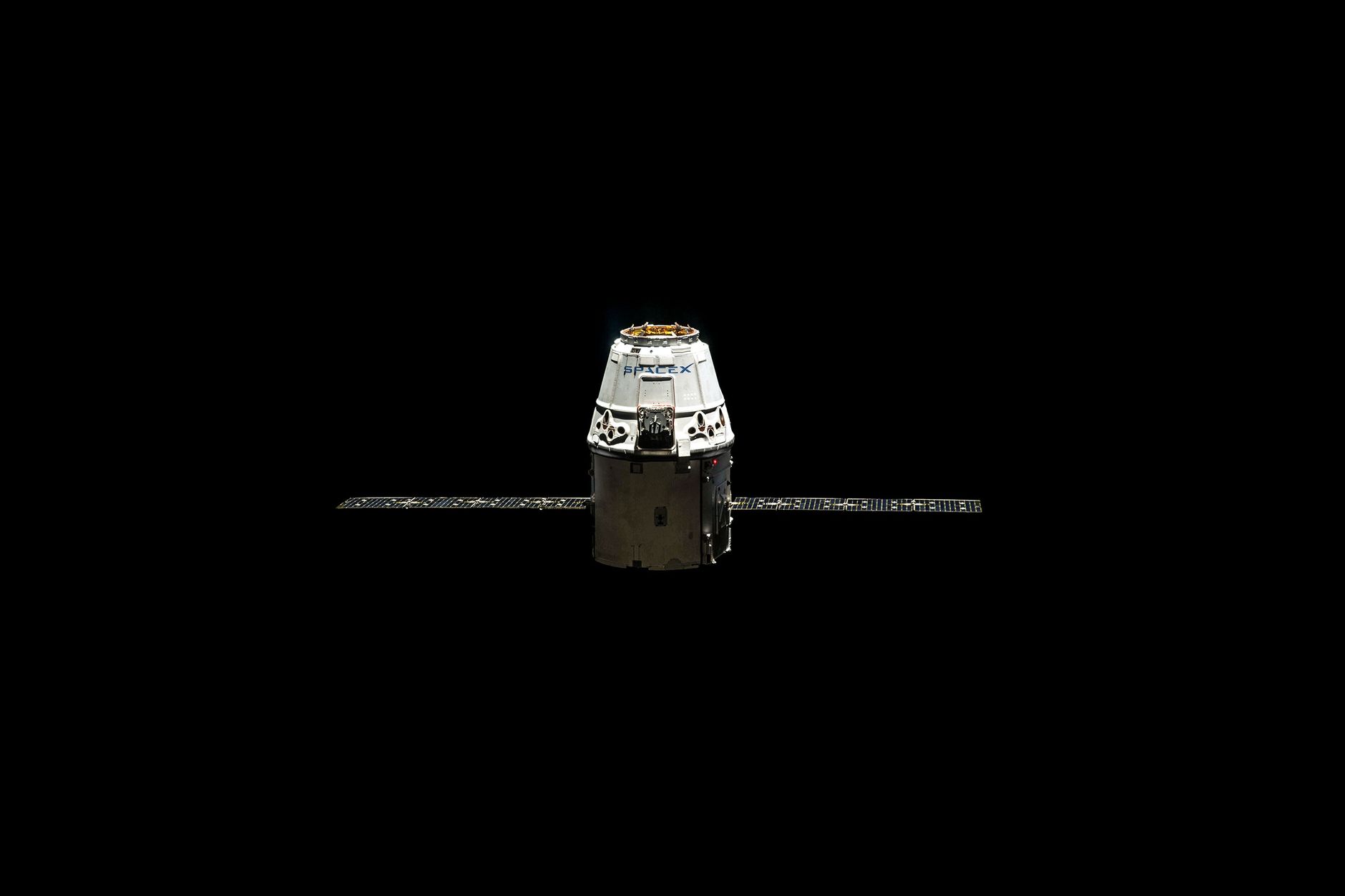
In a significant move, Google has partnered with Blue Origin to launch a new fleet of AI computing satellites. This collaboration aims to leverage cutting-edge technology to provide solutions across multiple sectors, including climate monitoring, disaster response, and telecommunications.
The benefits of deploying AI computing satellites include:
- Enhanced Efficiency: By processing data onboard, these satellites reduce the need for constant communication with ground stations, leading to faster insights.
- Real-time Analytics: With AI capabilities, these satellites can analyze vast amounts of data swiftly, allowing for immediate action when necessary.
- Scalability: As the technology matures, more satellites can be deployed to expand coverage and improve service quality.
The future of AI computing satellites looks promising, with the potential to drive innovation and address pressing global issues.
Google’s Strategic Partnership with Blue Origin
Google has announced a strategic partnership with Blue Origin to launch a series of AI computing satellites in 2029. This collaboration aims to leverage Blue Origin’s advanced launch capabilities alongside Google’s expertise in artificial intelligence and cloud computing.
By focusing on the deployment of AI computing satellites, the partnership is set to transform various industries, including telecommunications, agriculture, and disaster response. The initiative will not only facilitate enhanced data processing but also enable real-time analysis and decision-making.
Key points of the partnership include:
- Innovative Launch Solutions: Blue Origin’s New Glenn rocket will be utilized for launching the satellites, offering a reliable and cost-effective approach.
- AI Integration: Google’s AI technologies will be integrated into the satellites, optimizing operations and enhancing performance.
- Sustainable Practices: Both companies are committed to sustainability, ensuring that satellite deployment aligns with environmental guidelines.
This partnership signifies a major step forward in the development of AI computing satellites, paving the way for a new era of technological advancement and connectivity by 2029.
The Future of AI in Space Technology
The landscape of space technology is rapidly evolving, and AI computing satellites are at the forefront of this transformation. By 2029, these advanced satellites are expected to revolutionize data processing and communication in space.
With the increasing demand for real-time data and analytics, the integration of artificial intelligence into satellite technology will streamline operations and enhance decision-making capabilities. The following key aspects highlight the future impact of AI computing satellites:
- Improved Efficiency: AI algorithms will optimize satellite operations, reducing the need for human intervention and allowing for faster responses to environmental changes.
- Enhanced Data Processing: The ability to analyze large datasets onboard will minimize latency and improve the quality of information relayed back to Earth.
- Autonomous Navigation: AI systems will enable satellites to navigate complex orbits more effectively, ensuring better coverage and resource management.
- Cost Reduction: By automating various functions, AI computing satellites can lower operational costs, making space missions more accessible to a broader range of organizations.
As these technologies continue to develop, the future of AI in space technology looks promising, with significant implications for exploration and communication.
What to Expect from the 2029 Launch
The launch of AI computing satellites in 2029 is expected to revolutionize the way we utilize satellite technology for various applications. As the integration of advanced artificial intelligence with satellite systems progresses, several key developments are anticipated.
- Enhanced Data Processing: AI computing satellites will enable faster data analysis, allowing for real-time decision-making in critical fields such as disaster response and environmental monitoring.
- Improved Communication: With AI at the helm, these satellites will optimize communication networks, ensuring more reliable and efficient connectivity, particularly in remote areas.
- Autonomous Operations: The deployment of AI will facilitate autonomous satellite operations, reducing the need for human intervention and minimizing the risk of errors.
- Innovative Applications: Industries ranging from agriculture to transportation will benefit from AI-driven insights derived from satellite data, paving the way for smarter resource management.
As Google and Blue Origin prepare for this groundbreaking launch, the world can expect a new era of AI computing satellites that will enhance our capabilities in space technology and beyond.
Challenges in AI Satellite Deployment
The deployment of AI computing satellites presents several challenges that must be addressed to ensure their success in 2029 and beyond. One of the primary issues is data transmission. As these satellites are designed to process vast amounts of data, the speed and reliability of communication links to Earth become critical. Any delays or interruptions could hinder real-time decision-making.
Another significant challenge is cost efficiency. The expenses associated with launching and maintaining AI computing satellites can be substantial. Companies like Google and Blue Origin must find ways to optimize these costs while still delivering high-performance technology.
Additionally, regulatory hurdles pose a challenge. With the increasing number of satellites planned for deployment, authorities must establish clear guidelines to manage space traffic and avoid potential collisions.
Moreover, the complexity of integrating AI systems into existing satellite technologies raises concerns about compatibility and interoperability. Ensuring that new AI computing satellites can work effectively within the existing infrastructure will be key to their operational success.
Ultimately, overcoming these challenges will pave the way for the successful implementation of AI computing satellites, revolutionizing space technology.
Impact on Global Communication Networks
The launch of AI computing satellites in 2029 is poised to revolutionize global communication networks. By leveraging advanced artificial intelligence capabilities, these satellites will enhance data processing speed and efficiency, ensuring faster and more reliable connectivity across the globe.
One of the primary impacts of this technology will be in remote and underserved regions. With AI computing satellites, organizations can provide high-speed internet access to areas previously lacking adequate infrastructure. This democratization of information will help bridge the digital divide, enabling students, businesses, and communities to access resources and opportunities.
Furthermore, AI computing satellites will optimize bandwidth allocation by analyzing traffic patterns and adjusting in real time. This capability will reduce latency, making services such as video conferencing and telemedicine more effective, which is particularly crucial in times of crisis or natural disasters.
As these satellites integrate with existing communication networks, businesses will benefit from improved operational efficiencies and enhanced global outreach. The implications extend to various sectors, including education, healthcare, and commerce, fundamentally transforming how we connect and communicate in an increasingly digital world.
- Enhanced data processing speed
- Accessibility in remote areas
- Real-time bandwidth optimization
Conclusion and Future Prospects
In conclusion, the development and deployment of AI computing satellites represent a significant leap forward in space technology. As we approach 2029, advancements in artificial intelligence will enhance the capabilities of these satellites, enabling them to perform complex tasks autonomously and efficiently.
The strategic partnership between Google and Blue Origin is poised to set a benchmark in the industry, showcasing how collaboration can drive innovation. This collaboration not only aims to revolutionize satellite technology but also to address pressing challenges in global communication networks.
Looking ahead, several factors will determine the success of AI computing satellites:
- Technological Innovation: Continuous improvements in AI algorithms and hardware will enhance satellite performance.
- Regulatory Frameworks: Establishing clear policies and regulations will be essential for safe deployment and operation.
- Public Acceptance: Gaining public trust in AI technologies will play a crucial role in their integration into everyday life.
Ultimately, the future of AI computing satellites holds great promise, potentially transforming how we interact with technology and communicate globally.
Photo by Matheus Bertelli on Pexels
References
Related reading
Xiaomi 18 launch: Best tips for the upcoming release · NASA Roman Space Telescope: Proven Mission-Critical Propellant · OnePlus Turbo 7 Pro: Best Features of 10,000mAh Battery