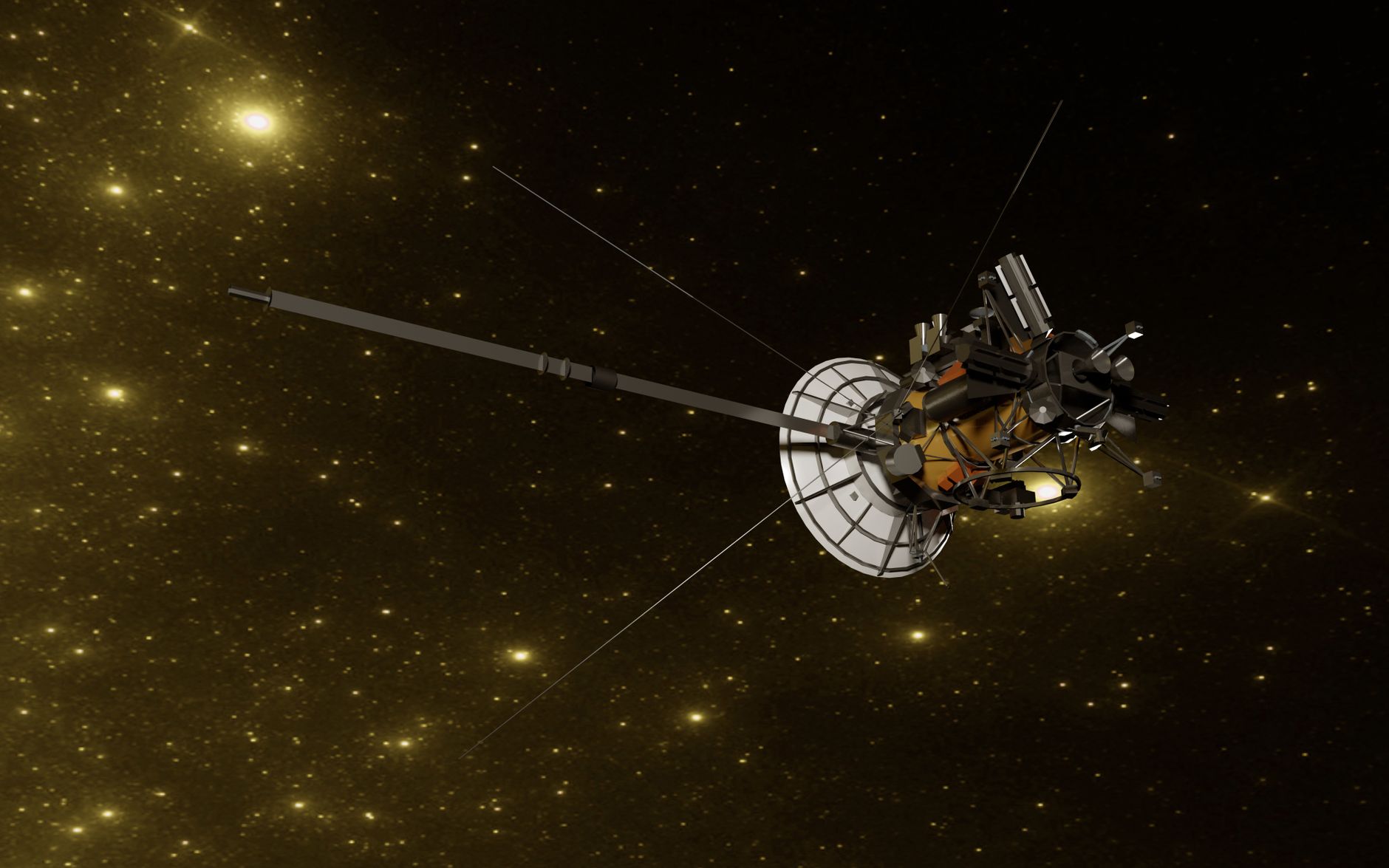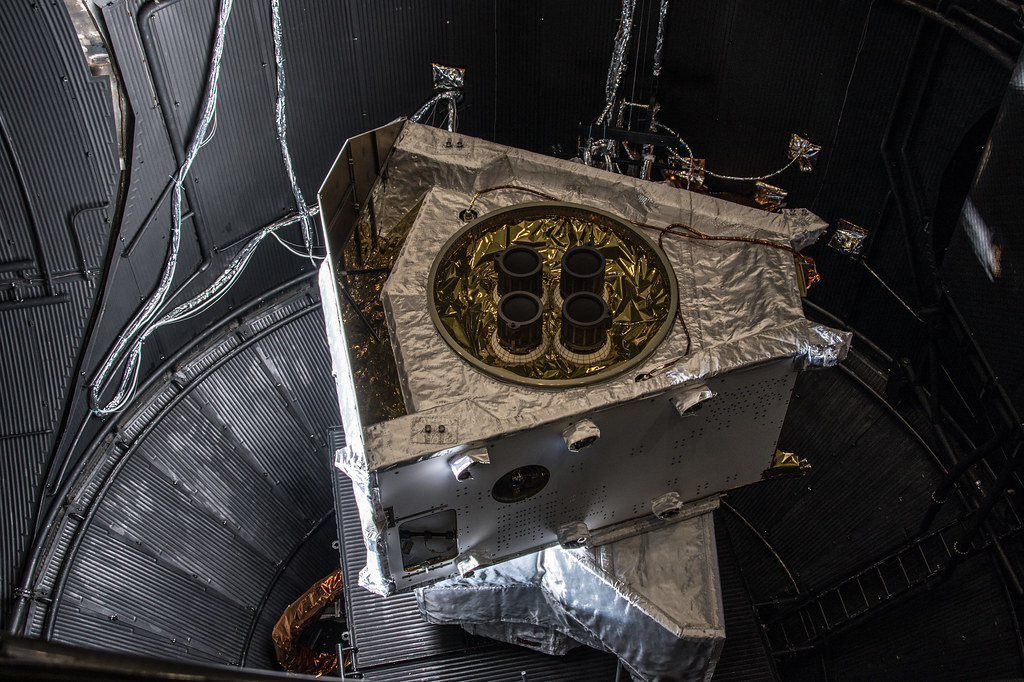
BepiColombo Mercury orbit has been achieved after an incredible 8-year journey, representing a monumental achievement in space exploration.
Overview of BepiColombo’s Mission
The BepiColombo mission, a collaborative effort between the European Space Agency (ESA) and the Japan Aerospace Exploration Agency (JAXA), has successfully entered Mercury’s orbit after an arduous journey spanning eight years and costing approximately $2 billion. This ambitious mission aims to deepen our understanding of the innermost planet in our solar system, offering insights into its composition, geology, and magnetic field.
BepiColombo is equipped with two scientific orbiters: the Mercury Planetary Orbiter (MPO) and the Mercury Magnetospheric Orbiter (MMO). These orbiters will work together to gather a wealth of data that could reshape our knowledge of Mercury and its environment.
The mission has overcome numerous challenges, including complex gravitational maneuvers and extreme temperature variations. As BepiColombo begins its scientific operations, researchers are optimistic about the potential discoveries that lie ahead.
Key objectives of the mission include:
- Studying Mercury’s surface and geological history
- Investigating its magnetic field and the dynamics of its atmosphere
- Understanding the planet’s formation and evolutionary processes
The successful entry into Mercury orbit is a significant milestone, marking a new chapter in planetary exploration.
Significance of Reaching Mercury
The successful arrival of BepiColombo in Mercury’s orbit marks a significant milestone in space exploration. This achievement not only showcases the advanced technology and international collaboration involved in the mission but also opens doors to new scientific discoveries.
Mercury, the innermost planet of our solar system, presents unique challenges due to its extreme temperatures and proximity to the Sun. The significance of reaching Mercury lies in its potential to enhance our understanding of planetary formation and evolution. The data collected will provide insights into the planet’s geology, magnetic field, and exosphere.
Moreover, BepiColombo’s journey underscores the importance of perseverance in space missions. After an eight-year voyage and a $2 billion investment, the mission exemplifies the dedication of scientists and engineers at the European Space Agency (ESA) and the Japan Aerospace Exploration Agency (JAXA).
Key objectives of the mission include:
- Mapping Mercury’s surface to understand its composition and geological history.
- Studying its magnetic field to learn about its internal structure.
- Exploring the planet’s exosphere to gain insights into its atmosphere.
Overall, BepiColombo’s Mercury orbit is a proven journey worth celebrating, promising a wealth of knowledge about our closest planetary neighbor.
Challenges Faced During the Journey
The journey of BepiColombo to Mercury orbit was not without its challenges. The spacecraft faced numerous obstacles during its eight-year voyage, each requiring innovative solutions and careful planning.
- Technical Hurdles: Engineers encountered various technical difficulties, including issues with the spacecraft’s propulsion systems that required meticulous troubleshooting.
- Environmental Conditions: The harsh environment of space posed threats such as radiation exposure and extreme temperatures, which could potentially damage sensitive instruments.
- Gravity Assist Maneuvers: To reach Mercury, BepiColombo relied on gravity assist maneuvers involving multiple flybys of Earth, Venus, and Mercury itself. Each maneuver had to be executed with precision to ensure the spacecraft would enter the correct trajectory.
- Funding and Budget Constraints: The mission, costing around $2 billion, faced scrutiny over its budget and necessity, pushing the team to justify each phase of the project.
Despite these challenges, the successful entry into Mercury orbit marks a significant achievement for the European Space Agency and its partners. It highlights the resilience and determination of the teams involved in this groundbreaking mission.
What’s Next for BepiColombo?
As the BepiColombo mission progresses following its successful entry into Mercury orbit, scientists and engineers are now looking ahead to the next phases of this groundbreaking journey. The spacecraft, which has traveled over 9 billion kilometers, is set to conduct a series of detailed explorations of Mercury, the smallest planet in our solar system.
The primary focus will be on understanding Mercury’s composition, geology, and magnetic field, which are critical for piecing together the planet’s history and its formation processes. Key objectives include:
- Detailed Surface Mapping: Utilizing advanced imaging technology to create high-resolution maps of Mercury’s surface.
- Magnetic Field Studies: Investigating the planet’s magnetic field to understand its core dynamics.
- Volatile Element Analysis: Examining the presence of water ice and other volatile compounds in permanently shadowed craters.
The mission team is particularly excited about the data that will be collected, which is expected to provide insights that could reshape our understanding of planetary formation. As BepiColombo prepares to fulfill its scientific goals, the journey into Mercury orbit marks a significant milestone worth celebrating in space exploration.
Technological Innovations in Space Travel
The journey of BepiColombo to Mercury has highlighted numerous technological innovations that have significantly advanced the field of space travel. As one of the most complex missions ever undertaken, this project exemplifies how cutting-edge technology can overcome the inherent challenges of interplanetary exploration.
Among the critical innovations employed in BepiColombo’s design and execution are:
- Solar Electric Propulsion: This advanced propulsion system uses solar energy to power ion engines, allowing for efficient maneuvering through space over long durations.
- High-Temperature Electronics: Given Mercury’s extreme temperatures, the mission required components that could withstand significant heat, a challenge that engineers successfully met with advanced materials.
- Autonomous Navigation: The spacecraft utilizes sophisticated algorithms to navigate and adjust its course autonomously, reducing the need for constant communication with Earth.
These breakthroughs not only facilitated BepiColombo’s successful entry into Mercury orbit but also paved the way for future missions. The innovations derived from this mission are expected to influence upcoming explorations, illustrating the importance of technological advancements in pushing the boundaries of what is possible in space travel.
Impact on Future Space Missions
The successful entry of BepiColombo into Mercury orbit marks a pivotal moment in space exploration, setting a new benchmark for future missions. As the first spacecraft designed explicitly for a comprehensive study of Mercury, its journey has provided invaluable insights into the intricacies of planetary missions.
One of the most significant impacts of BepiColombo’s success is the data it will generate, which can guide forthcoming missions to other celestial bodies. The lessons learned regarding propulsion, navigation, and communication will be instrumental in refining the methodologies used for future interplanetary travel.
Additionally, the technological advancements showcased by BepiColombo, including its innovative thermal protection systems and advanced scientific instruments, will serve as a foundation for future spacecraft designs. These innovations highlight the potential for more ambitious explorations beyond our solar system.
Moreover, the collaboration between the European Space Agency and the Japan Aerospace Exploration Agency exemplifies the importance of international partnerships in pushing the boundaries of what is possible in space exploration. As space agencies look towards missions to Mars and beyond, the successful Mercury orbit achieved by BepiColombo emphasizes the importance of perseverance and innovation in the pursuit of knowledge.
The successful insertion into the BepiColombo Mercury orbit marks a significant milestone in our understanding of the solar system. Scientists are eager to analyze the data collected during this historic BepiColombo Mercury orbit mission.
By europeanspaceagency via Openverse
Read the original
https://www.businesstimes-bd.com/
Related reading
Local weather forecasts: Proven ways Pixel Weather improves accuracy · Rocket Lab deep-space ambitions: Is it the real test? · GTA VI sales record: Best proven launch in gaming history