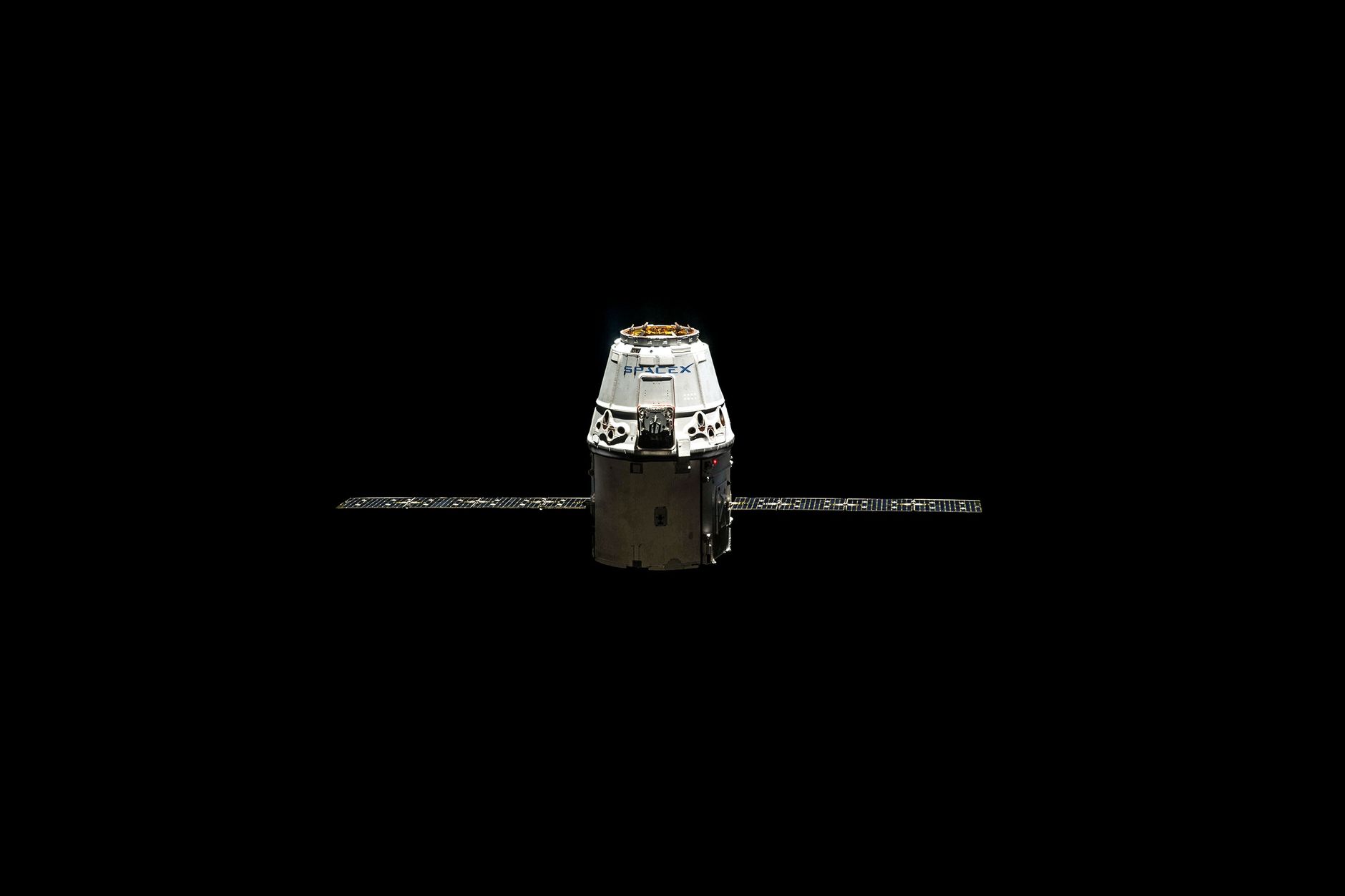
The CRIMSON-1 satellite is set to revolutionize space technology by testing next-gen perovskite solar cells and AI computing in orbit.
What is the CRIMSON-1 satellite?
The CRIMSON-1 satellite is an innovative space mission launched by NTU Singapore, designed to explore the potential of next-generation solar technology and artificial intelligence in the harsh environment of space. This satellite represents a significant step forward in the testing of perovskite solar cells, which are known for their high efficiency and low production costs.
Equipped with advanced instruments, the CRIMSON-1 aims to evaluate the performance and durability of these solar cells when exposed to cosmic radiation and extreme temperatures. Notably, the satellite will also leverage AI computing capabilities to process data in real-time, allowing for immediate analysis of the solar cells’ performance.
The mission has several key objectives:
- To assess the effectiveness of perovskite solar cells in space conditions.
- To enhance the understanding of how these materials degrade over time when subjected to space elements.
- To utilize AI to improve data collection and analysis processes during the mission.
By pushing the boundaries of solar technology, the CRIMSON-1 satellite aims to lay the groundwork for the future of solar energy, potentially revolutionizing how energy is harvested and utilized in space environments. The insights gained from this mission could pave the way for more efficient solar technologies on Earth as well.
The role of perovskite solar cells in space
The advancement of solar technology is critical for the future of space exploration, and perovskite solar cells are at the forefront of this innovation. These cells, made from a unique crystalline structure, offer several advantages over traditional silicon solar cells, particularly in terms of efficiency and manufacturing costs.
The CRIMSON-1 satellite plays a pivotal role in evaluating the performance of perovskite solar cells in the harsh environment of space. Unlike conventional solar cells, perovskite cells are lightweight and can be produced using simpler, less energy-intensive methods. This makes them an attractive option for space applications where weight and cost are crucial considerations.
Some notable benefits of perovskite solar cells in space include:
- High Efficiency: Perovskite solar cells have demonstrated exceptional power conversion efficiencies, often exceeding those of silicon-based cells.
- Flexibility: Their unique properties allow them to be integrated into various surfaces, making them versatile for different spacecraft designs.
- Scalability: Production methods for these cells can be scaled up easily, offering a potential pathway to widespread adoption in the space industry.
By testing these next-generation solar cells aboard the CRIMSON-1 satellite, researchers aim to gather critical data on their durability and efficiency under real space conditions, paving the way for future advancements in solar technology for space missions.
How AI computing enhances satellite technology
The integration of artificial intelligence (AI) computing into satellite technology is revolutionizing how data is processed and analyzed in space. The CRIMSON-1 satellite serves as a prime example of this innovation, utilizing AI to enhance its functionality and efficiency in testing next-generation solar cells.
One of the significant advantages of AI in satellite technology is its ability to process large volumes of data in real time. This capability allows satellites like CRIMSON-1 to make quick decisions based on the information gathered from their surroundings. For instance, the satellite can adjust its operations dynamically to optimize energy collection from its perovskite solar cells, ensuring maximum efficiency even in varying environmental conditions.
Moreover, AI algorithms can predict potential system failures or performance issues before they occur. This predictive maintenance approach enhances the reliability of the CRIMSON-1 satellite, reducing the risk of mission failure and extending its operational lifespan. By utilizing machine learning techniques, the satellite can learn from past data to improve its future performance, making it a valuable asset for space research.
In addition, the application of AI computing in CRIMSON-1 not only aids in testing solar cells but also opens up new avenues for scientific exploration. The insights gained from its operations may lead to advancements in solar technology, benefiting both space missions and terrestrial applications.
Future implications of CRIMSON-1’s mission
The launch of the CRIMSON-1 satellite marks a significant advancement in space technology, especially in the realm of renewable energy. As it embarks on its mission, the implications of its findings could reshape the future of solar energy utilization in space and beyond.
One of the primary objectives of CRIMSON-1 is to test next-generation perovskite solar cells, which have shown immense potential due to their high efficiency and lower production costs compared to traditional silicon-based solar cells. If successful, these cells could revolutionize how satellites and other space missions harness solar power, leading to longer mission durations and reduced operational costs.
Furthermore, the data collected by CRIMSON-1 will provide invaluable insights into the performance of perovskite solar cells in the harsh conditions of space. This knowledge can drive advancements not just in aerospace applications, but also in terrestrial solar technology, making renewable energy more accessible and efficient on Earth.
Moreover, the integration of AI computing in CRIMSON-1’s design is poised to enhance data analysis and operational efficiency. As the satellite operates in orbit, the AI can adaptively manage its solar energy needs and optimize performance in real time, setting a precedent for future satellite missions.
In essence, the CRIMSON-1 satellite stands at the forefront of an exciting era in both space exploration and renewable energy, with the potential to influence various sectors for years to come.
By F. D. Richards via Openverse