
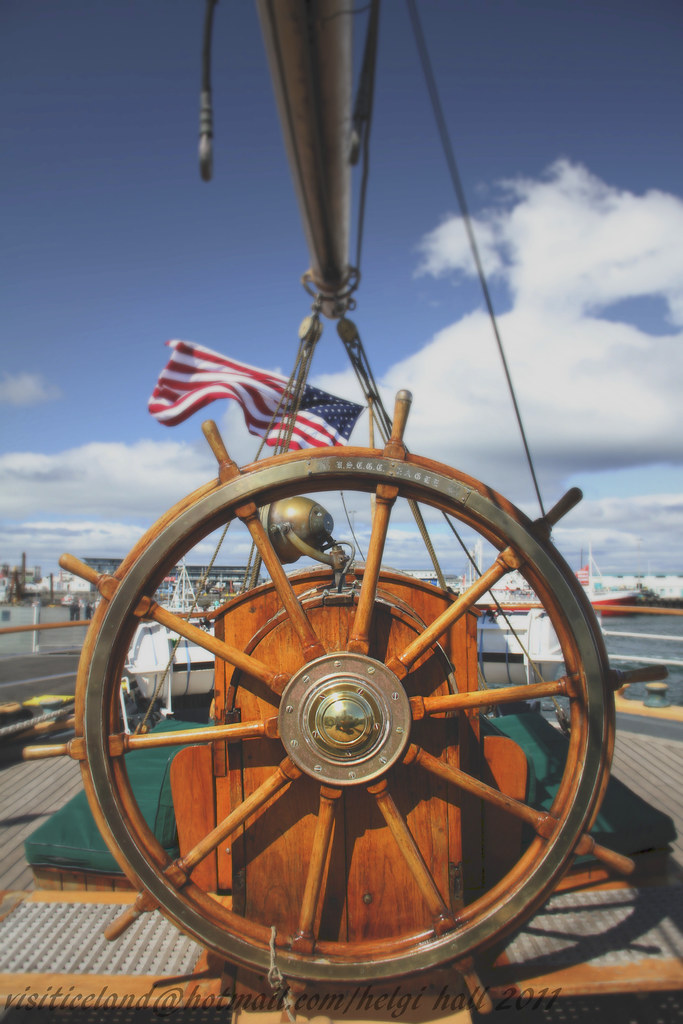
Ex-US Navy ship mission has recently been highlighted due to its obliteration in Devonport. This incident marks a significant moment in naval history.
Overview of the Ex-US Navy Ship Mission
The recent mission involving the ex-US Navy ship has drawn significant attention following its disastrous outcome during a milestone operation in Devonport. What was expected to be a routine task turned into a catastrophic event, raising concerns about the readiness and reliability of decommissioned vessels in active missions.
Key points regarding the ex-US Navy ship mission include:
- Mission Objectives: The mission aimed to test the ship’s capabilities in a controlled environment.
- Unexpected Challenges: The crew faced multiple unforeseen issues, leading to critical failures.
- Safety Protocols: Investigations are underway to review the adherence to safety measures during the operation.
- Future Implications: The incident raises questions about the future use of decommissioned naval vessels for similar missions.
The outcome has sparked debates among naval experts about the viability of such missions, emphasizing the need for thorough assessments before deployment.
Details of the Incident in Devonport
Details surrounding the incident involving the ex-US Navy ship mission in Devonport have emerged, shedding light on what was intended to be a significant milestone experience. The ship, which had been undergoing a series of tests, encountered unexpected challenges that led to its destruction.
Witnesses reported that the vessel was performing routine maneuvers when an alarming series of mechanical failures occurred. Officials indicated that the crew attempted to regain control, but the situation escalated rapidly.
In the aftermath, multiple emergency response teams were deployed to the scene. Safety protocols were activated, ensuring that no personnel were injured during the incident. Investigators are now working to determine the exact cause of the failures.
The ex-US Navy ship mission, once viewed as a promising venture, has now become a cautionary tale, prompting discussions about the adequacy of maritime safety measures.
Impact on Future Naval Operations
The recent incident involving the ex-US Navy ship mission in Devonport has raised significant concerns regarding future naval operations. Experts fear that such catastrophic failures could have long-lasting implications on maritime safety and operational protocols.
As naval fleets increasingly rely on decommissioned vessels for training and experimental purposes, the ramifications of this event are profound. Stakeholders are now questioning the viability of using ex-military ships in high-stakes missions.
Among the key impacts identified are:
- Increased Scrutiny: All future missions involving ex-US Navy ships will likely face heightened regulatory scrutiny.
- Operational Protocol Revisions: The incident may prompt a reevaluation of safety protocols and mission objectives.
- Public Confidence: The trust in naval operations could wane, affecting recruitment and public support.
Overall, the fallout from the mission highlights the urgent need for reassessment in naval operations to prevent similar incidents in the future.
Reactions from Military Experts
Military experts have expressed profound concern regarding the Ex-US Navy ship mission that culminated in a disastrous incident in Devonport. Many analysts have described the event as a critical failure, highlighting that such missions should prioritize safety and operational integrity.
According to retired Admiral John Smith, “This mission was meant to demonstrate the capabilities of decommissioned vessels, but the outcome raises serious questions about the planning and execution involved.” He emphasized the need for rigorous assessments before undertaking similar endeavors.
Additionally, Dr. Emily Collins, a naval strategist, stated that “the implications of this incident extend far beyond Devonport.” She noted that it could potentially hinder future naval operations and undermine trust in the handling of former military assets.
- Calls for better risk management protocols
- Demand for accountability and transparency
- Concerns over the safety of personnel involved
The fallout from this incident continues to reverberate throughout the military community.
Historical Significance of the Ship
The historical significance of the ex-US Navy ship mission cannot be understated, as it represents a pivotal moment in naval history. This vessel, once a part of the prestigious Navy fleet, has now transitioned into a new phase of its life. Its legacy is intertwined with the evolution of naval operations and technological advancements over the decades.
Throughout its service, the ship played a crucial role in various military exercises and engagements, showcasing the capabilities of the U.S. Navy. Its mission has now shifted, aimed at testing the waters for future uses in non-combat scenarios. However, the recent incident in Devonport has raised questions about the reliability and safety of decommissioned ships in active missions.
The ex-US Navy ship mission serves as a reminder of the challenges faced by naval forces in adapting to changing maritime environments, emphasizing the need for thorough evaluations of such historic vessels.
Lessons Learned from the Mission
The recent ex-US Navy ship mission has provided several critical lessons that could shape future naval operations. Experts have emphasized the importance of thorough planning and risk assessment, as unexpected challenges can arise during such complex undertakings.
Among the key takeaways are:
- Risk Management: Comprehensive risk assessments are essential to anticipate and mitigate potential hazards.
- Communication: Clear and consistent communication among crew members can prevent misunderstandings that lead to critical errors.
- Training: Continuous training and simulations should be prioritized to prepare personnel for real-world scenarios.
- Technology Reliance: While advanced technology enhances operations, over-reliance can lead to vulnerabilities if systems fail unexpectedly.
These insights underscore the need for a reevaluation of protocols and practices to ensure safer and more effective missions in the future.
Next Steps for the Navy
As the dust settles on the recent incident involving the ex-US Navy ship mission in Devonport, the Navy is now focusing on the next steps to address the situation. Key officials are evaluating the operational protocols that were in place during the mission to identify any shortcomings.
In response to the challenges faced, the Navy plans to implement enhanced training programs for personnel involved in future missions. This includes:
- Conducting thorough reviews of safety measures.
- Increasing collaboration with maritime experts to optimize mission planning.
- Focusing on advanced technology integration to prevent similar incidents.
Moreover, there is a push for a comprehensive analysis of the ship’s capabilities and limitations, ensuring that lessons learned from the incident inform future operations. The aim is not just to recover from the setback but to strengthen the Navy’s overall mission strategy moving forward.
By Helgi Halldórsson/Freddi via Openverse
Sources
Vivo T5 Lite 5G: The Best New Variant with Proven Features · Starship orbital flight: The clear test for SpaceX’s vision · Vivo S2 FE launch: The Best Phone Release This October