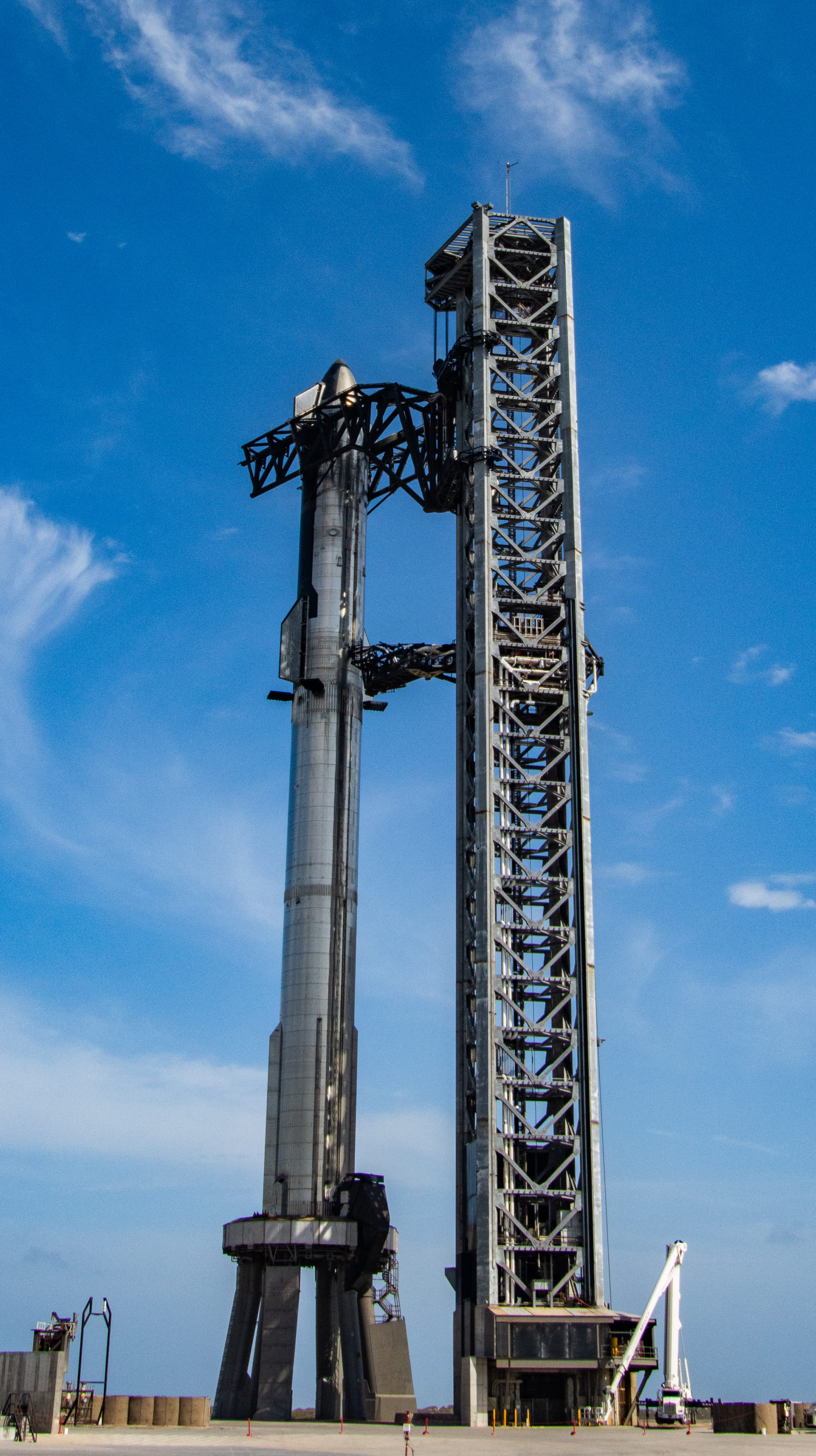
Starship orbital flight is a pivotal moment for SpaceX as it puts the heat shield to the test. The results could significantly impact the company’s ambitious vision for space travel.
Overview of Starship’s orbital flight
The highly anticipated Starship orbital flight marks a significant milestone in SpaceX’s ambitious plans to revolutionize space travel. This test aims to evaluate the spacecraft’s performance under real-world conditions, particularly the effectiveness of its heat shield. As Starship ascends through the atmosphere and re-enters, it will face extreme temperatures that could challenge its structural integrity.
Engineers have designed the heat shield to withstand the intense heat generated during re-entry, a critical factor for the success of long-duration missions. The outcome of this flight could provide valuable insights into whether SpaceX’s vision of reusable spacecraft is achievable.
During the mission, the following key components will be closely monitored:
- Heat shield performance
- Engine efficiency during launch and landing
- Overall structural resilience
- Flight trajectory accuracy
The results of the Starship orbital flight may not only impact future missions but also shape the landscape of interplanetary travel and exploration.
Importance of the heat shield
The success of the Starship orbital flight hinges significantly on the performance of its heat shield. Designed to withstand extreme temperatures during re-entry, the heat shield is a critical component that protects the spacecraft and its payload from incineration. Without a reliable heat shield, the entire mission could be jeopardized.
The heat shield of Starship utilizes advanced materials and engineering to endure the intense thermal stresses encountered when traveling through the atmosphere at high speeds. This technology not only safeguards the vehicle but also plays a vital role in ensuring the safety of future crewed missions.
During the recent test, engineers closely monitored the heat shield’s effectiveness. Key factors included:
- Temperature resistance
- Material integrity
- Overall structural performance
As SpaceX pushes forward with its ambitious plans, the results of this flight will offer crucial insights. The heat shield’s performance may ultimately determine the viability of SpaceX’s vision for interplanetary travel.
Challenges faced during the test
The recent Starship orbital flight presented numerous challenges that tested SpaceX’s engineering capabilities and vision for future space travel. One of the primary hurdles was the integration of complex systems required for a successful launch and re-entry.
Among the key challenges faced during the test were:
- Launch Vehicle Performance: Ensuring that the rocket could withstand the immense forces experienced during launch was critical.
- Heat Shield Durability: The heat shield’s effectiveness was a significant concern, as it must protect the spacecraft during re-entry through the atmosphere.
- Communication Systems: Maintaining reliable communication with the spacecraft throughout its flight was essential for data collection and safety.
- Landing Precision: Achieving a pinpoint landing after orbital maneuvers posed another layer of complexity.
Despite these challenges, the Starship orbital flight represents a crucial step in validating SpaceX’s ambitious goals for interplanetary travel and the future of human space exploration.
Results of the heat shield evaluation
The recent evaluation of the heat shield during the Starship orbital flight revealed critical insights into its performance under extreme conditions. The heat shield is designed to protect the spacecraft from the intense heat generated during re-entry, and its effectiveness is vital for the success of future missions.
During the test, engineers monitored several key parameters, including:
- Thermal Resilience: The heat shield showed promising results, withstanding temperatures exceeding 3,000 degrees Fahrenheit.
- Structural Integrity: Post-flight assessments indicated minimal damage, suggesting the shield performed well against ablative erosion.
- Cooling Mechanisms: Innovative cooling strategies employed during the flight were effective, allowing the shield to maintain its integrity.
Despite these positive outcomes, further analysis is required to fully understand the implications for future Starship launches. The results of this evaluation will play a crucial role in determining the viability of SpaceX’s vision for reusable space travel. As the company prepares for subsequent tests, the performance of the heat shield will remain a focal point in the ongoing development of the Starship orbital flight program.
Future implications for SpaceX
The recent Starship orbital flight has significant implications for the future of SpaceX and its ambitious plans for space exploration. If the heat shield performs effectively, it could pave the way for more frequent missions, ultimately leading to the establishment of a sustainable human presence on Mars and beyond.
SpaceX’s vision hinges on the success of the Starship program, which is designed to transport large numbers of people and cargo to various destinations in the solar system. The outcome of this flight may influence several key areas:
- Regulatory Approval: A successful test could expedite regulatory processes necessary for future launches.
- Investor Confidence: Positive results may attract additional funding, enabling further advancements in technology.
- International Collaboration: Success may encourage partnerships with other space agencies and organizations.
Ultimately, the Starship orbital flight not only serves as a critical test for SpaceX but also for the broader vision of making space travel more accessible and sustainable for humanity.
Expert opinions on the flight
Experts in aerospace engineering have weighed in on the recent Starship orbital flight, emphasizing its significance not only for SpaceX but for the future of space exploration. According to Dr. Emily Carter, a leading aerospace researcher, “This flight represents a critical step for SpaceX’s vision of reusable space travel.” She highlighted that the performance of the heat shield during the test is crucial for the spacecraft’s viability in future missions.
Another expert, Professor Michael Chen, noted the importance of the data gathered during the flight. “The results will offer invaluable insights into thermal protection systems, which are essential for long-duration missions beyond Earth’s orbit,” he stated.
Industry analysts are also optimistic. They believe that if Starship can successfully overcome its current challenges, it could redefine commercial space travel. Elon Musk’s vision may hinge on the success of this orbital flight, especially in paving the way for missions to the Moon and Mars.
Overall, the expert consensus is clear: the Starship orbital flight is a pivotal moment in advancing human space exploration.
Next steps for Starship development
As SpaceX evaluates the results of the recent Starship orbital flight, several crucial next steps will guide the development of this ambitious spacecraft. The company aims to address the findings from the heat shield evaluation and refine its design to enhance performance in future missions.
Among the immediate priorities are:
- Data analysis: Engineers will meticulously analyze telemetry data collected during the flight to identify areas for improvement.
- Heat shield enhancements: Based on test results, modifications to the heat shield materials and construction will be prioritized to ensure better thermal protection.
- Flight simulations: SpaceX plans to conduct extensive simulations to predict the outcomes of proposed changes before the next test.
- Regulatory approvals: Engaging with regulatory bodies to secure necessary permissions for future test flights will be essential.
Ultimately, the success of the Starship orbital flight will determine the feasibility of SpaceX’s long-term vision for interplanetary travel and sustainable space exploration.
By Jenny Hautmann via Openverse