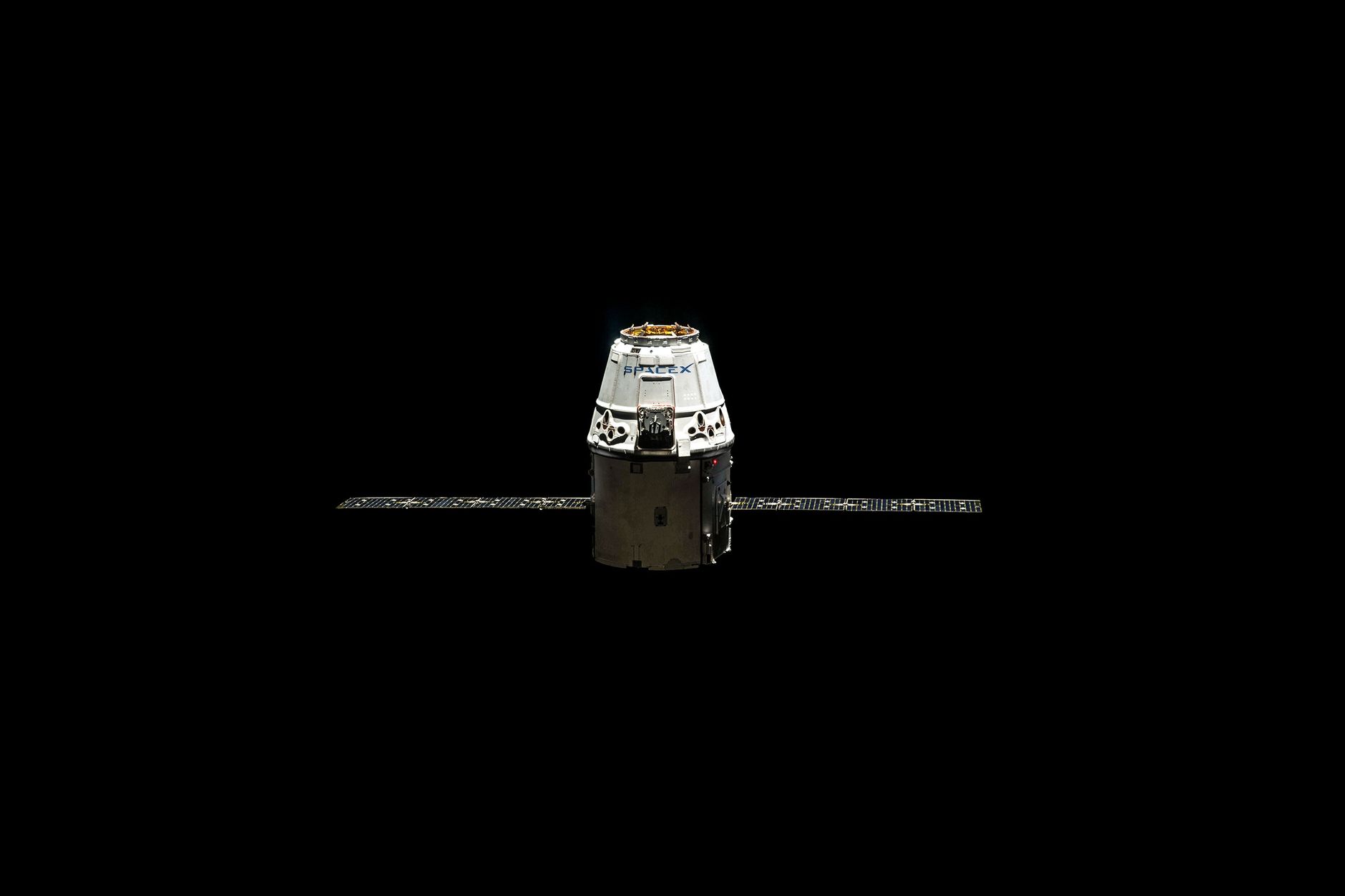
ISRO NVS-03 Mission is a significant step forward in strengthening India’s indigenous navigation system, showcasing advanced technology and capabilities.
Overview of ISRO’s NVS-03 Mission
The ISRO NVS-03 Mission represents a significant advancement in India’s navigation capabilities. Launched by the Indian Space Research Organisation, this mission is designed to enhance the nation’s indigenous navigation system, which is crucial for various applications across multiple sectors.
One of the key features of the NVS-03 Mission is its ability to provide precise positioning information. This is vital for applications in transportation, agriculture, disaster management, and urban planning. The mission aims to ensure that India has a reliable and accurate navigation system that can compete on a global scale.
Moreover, the NVS-03 satellite is equipped with advanced technology that improves signal accuracy and availability. This enhancement will facilitate better performance in both urban and rural areas, where traditional navigation systems may face challenges.
In addition to improving navigation, the NVS-03 Mission will also contribute to the development of India’s space capabilities. By launching this satellite, ISRO is demonstrating its commitment to self-reliance in space technology, which is a critical component of the country’s broader strategic goals.
Overall, the ISRO NVS-03 Mission is set to provide significant benefits, enhancing the efficiency and reliability of navigation services across India.
Key Features of the NVS-03 Satellite
The NVS-03 satellite, part of ISRO’s NVS-03 Mission, boasts several key features that significantly enhance India’s navigation capabilities. These advancements are set to strengthen the existing navigation framework, offering precise location services across the nation.
- Advanced Atomic Clocks: The NVS-03 satellite is equipped with highly accurate atomic clocks that improve timing precision. This is crucial for enhancing the overall accuracy of navigation signals.
- Multiple Frequency Bands: It operates on multiple frequency bands, including L1, L5, and S bands. This diversity allows for better signal penetration and resilience, particularly in urban areas with dense infrastructure.
- Enhanced Signal Strength: The satellite’s design incorporates stronger signal transmission, ensuring reliable connectivity even in challenging environments.
- Indigenous Technology: NVS-03 is a testament to India’s growing technological capabilities, using domestically developed components and systems that bolster national security and reduce dependency on foreign technology.
- Improved Coverage: With a broader coverage area, NVS-03 enhances navigation services not just for civilians but also for applications in agriculture, transportation, and disaster management.
These features of the NVS-03 satellite collectively contribute to a more robust and reliable navigation system for India, marking a significant milestone in the country’s space endeavors.
Impact on India’s Navigation Capabilities
The successful launch of the ISRO NVS-03 Mission marks a significant advancement in India’s navigation capabilities, providing a robust framework for various applications across the nation. This satellite enhances the performance of the NavIC system, which is India’s regional satellite navigation system, designed to provide accurate position information to users in India and the surrounding region.
With the deployment of NVS-03, the following benefits are anticipated:
- Enhanced Accuracy: The satellite is expected to improve the precision of location data, which is crucial for applications in transportation, agriculture, and disaster management.
- Increased Coverage: The NVS-03 will expand the coverage area of NavIC, ensuring that more regions benefit from reliable navigation services.
- Support for Modern Technologies: The advanced features of the NVS-03 satellite will facilitate the integration of navigation solutions in emerging technologies such as autonomous vehicles and smart city infrastructure.
- Strengthened National Security: A more robust navigation system enhances defense capabilities, providing critical support for military operations and border security.
Overall, the ISRO NVS-03 Mission significantly bolsters India’s navigation framework, fostering economic growth and improving the quality of life for its citizens.
Future Prospects for Indian Space Missions
The successful launch of the ISRO NVS-03 Mission marks a significant milestone in India’s space endeavors, paving the way for future advancements in the country’s navigation capabilities. As the Indian Space Research Organisation (ISRO) continues to innovate, several prospects emerge for subsequent missions that could further enhance the nation’s technological strengths.
One of the key future prospects lies in the potential development of more advanced navigation satellites. These satellites could incorporate cutting-edge technologies, improving accuracy and reliability in positioning systems. Furthermore, the integration of artificial intelligence and machine learning algorithms may lead to enhanced data processing capabilities, offering real-time updates and improved services.
Additionally, international collaborations could play a crucial role in the evolution of India’s navigation systems. By partnering with other space agencies, ISRO can leverage shared knowledge and experiences, accelerating the development of next-generation navigation solutions.
Investment in research and development will also be vital. As India seeks to establish itself as a leader in space technology, dedicated funding for innovative projects can yield significant returns, not just for navigation but also for other sectors such as transportation and disaster management.
In summary, the ISRO NVS-03 Mission serves as a foundation for future opportunities, promising a robust and self-reliant navigation system for India.
The Role of Indigenous Technology in ISRO
The ISRO NVS-03 Mission exemplifies the significant role of indigenous technology in enhancing India’s navigation systems. By utilizing homegrown innovations, ISRO has been able to develop satellites that meet the specific needs of the country, reducing dependence on foreign technology.
One of the key aspects of this mission is the integration of advanced Indian-made components, which not only improve the satellite’s performance but also ensure greater reliability. The indigenous technology used in the NVS-03 satellite allows for seamless updates and modifications, catering to evolving demands in navigation services.
Additionally, this mission supports the government’s vision of self-reliance in space technology. By harnessing local expertise and resources, ISRO showcases India’s capabilities on the global stage. Some of the notable benefits include:
- Cost Efficiency: Reducing reliance on imported technology lowers overall mission costs.
- Enhanced Performance: Tailored solutions lead to improved navigation accuracy and service availability.
- Skill Development: Providing opportunities for local engineers and scientists to innovate and excel.
Overall, the ISRO NVS-03 Mission is not just a technological achievement but a cornerstone for strengthening India’s navigation infrastructure through indigenous capabilities.
The ISRO NVS-03 Mission is expected to enhance the accuracy of navigation services across India. With its advanced satellite technology, the ISRO NVS-03 Mission will significantly improve positioning capabilities for various sectors, including transportation and agriculture.