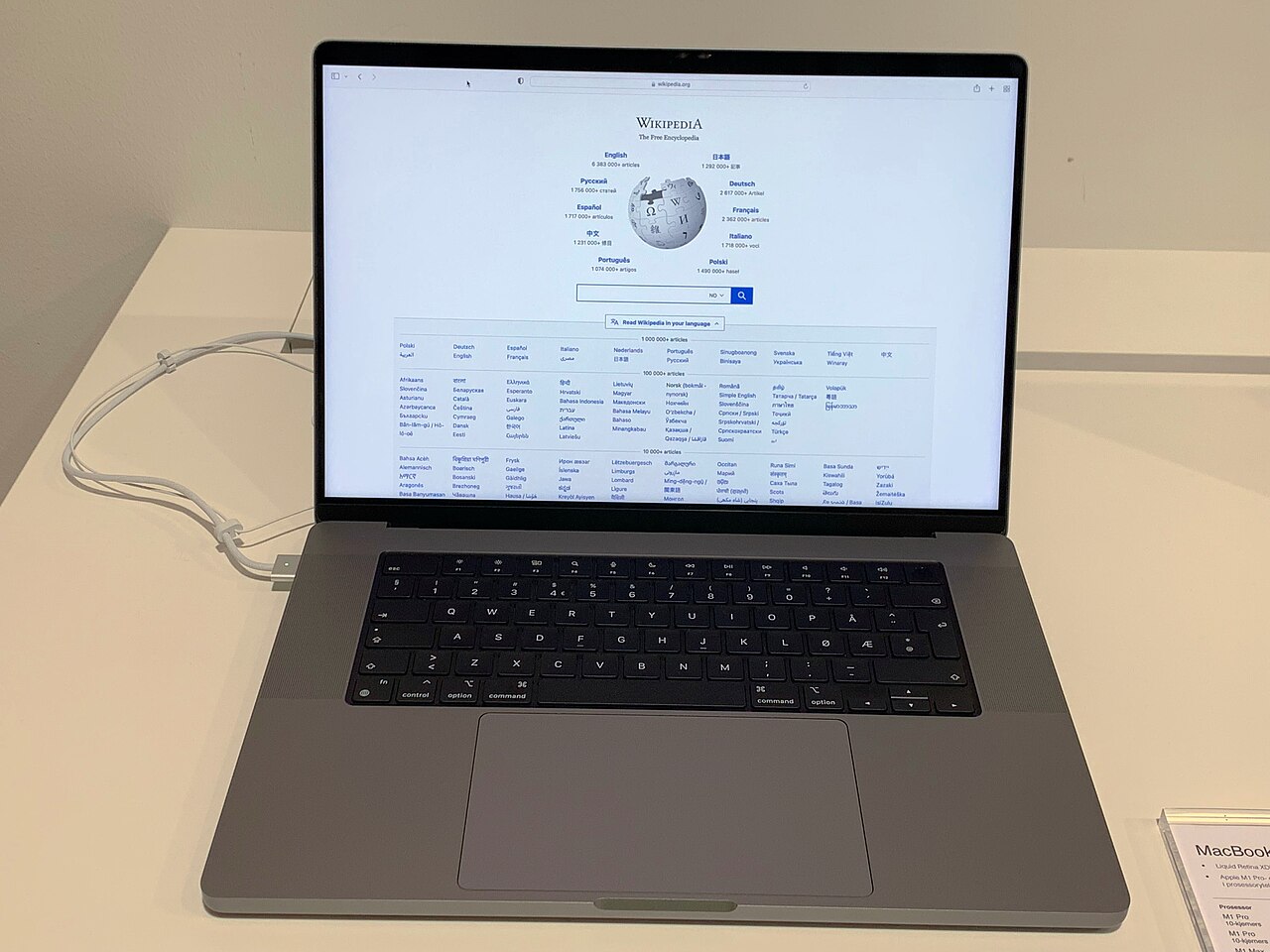
MacBook Pro changes are set to redefine Apple’s laptop lineup. The company plans to eliminate non-touch models, focusing on the core 14-inch version.
Overview of MacBook Pro changes
Recent developments in Apple’s laptop lineup have sparked significant discussion among tech enthusiasts and users alike. The company has announced a series of changes to the MacBook Pro models, leading many to question the implications for future consumers.
One of the most notable MacBook Pro changes is the elimination of non-touch variants, with Apple opting to focus on a core 14-inch model. This decision marks a departure from previous offerings and signals a shift towards enhancing the touch experience in their laptops.
Critics argue that this move could alienate users who prefer traditional keyboard layouts without touch capabilities. The decision has raised eyebrows, as Apple has historically catered to a diverse range of customer preferences.
In summary, the streamlined offerings may simplify choices for some, but they also limit options for others. As Apple continues to refine its MacBook Pro lineup, the reaction from the user community will likely shape future decisions. Only time will reveal whether this strategy will prove beneficial or detrimental to Apple’s reputation in the competitive laptop market.
Impact on Apple’s laptop market
The recent MacBook Pro changes have sent shockwaves through the laptop market, raising concerns among users and industry experts alike. With Apple’s decision to eliminate non-touch MacBook Pros, except for the core 14-inch model, many are questioning the company’s strategy.
As a result, several significant impacts may be felt:
- Reduced Options: Consumers now face limited choices in the MacBook Pro lineup, which could drive some potential buyers towards competitors.
- Price Adjustments: Increasing focus on fewer models may lead to higher prices for the remaining options, making them less accessible for budget-conscious customers.
- Innovation Stagnation: The lack of variety might stifle innovation, as fewer models could mean less competition within Apple’s own product range.
- User Discontent: Long-time Mac users who prefer non-touch interfaces may feel alienated, leading to dissatisfaction and a potential shift to rival brands.
This strategic move could ultimately reshape the future of Apple’s laptop market, as it navigates a rapidly changing technological landscape.
User reactions to the updates
User reactions to the updates regarding the latest MacBook Pro changes have been mixed, with many expressing disappointment. Some users took to social media to voice their concerns about the elimination of non-touch models, which they believe offered more versatility for different types of work.
- “I loved my non-touch MacBook Pro for its simplicity and reliability,” tweeted one user, highlighting a common sentiment among professionals who prefer a straightforward interface.
- Another user remarked, “The new focus on touch capabilities seems like a step backward for those who value traditional functionality.”
- Many creative professionals are worried that the shift will limit their options. A graphic designer stated, “Touch screens can be great, but not every designer wants to work that way.”
Others argue that the updates will streamline the product lineup and cater to a more modern audience. However, the backlash has raised questions about Apple’s strategy and whether they are truly listening to their customer base.
As the launch date approaches, it will be interesting to see if Apple addresses these concerns or if they remain steadfast in their new direction.
Comparison with previous models
The latest MacBook Pro changes have sparked considerable debate among tech enthusiasts and professional users alike. To understand the implications of these updates, a comparison with previous models reveals significant differences.
Historically, Apple’s MacBook Pro lineup included a diverse range of models catering to various needs. The introduction of the Touch Bar in the earlier models was a notable change, offering a dynamic control experience that many found beneficial. However, recent updates signal a shift away from this innovation, as Apple opts to simplify its offerings.
Key differences between the current MacBook Pro models and their predecessors include:
- Elimination of Non-Touch Models: The decision to remove non-touch variants, other than the core 14-inch model, limits choices for consumers.
- Focus on Core Features: The updates concentrate on enhancing performance and battery life, potentially at the expense of user customization.
- Design Consistency: The aesthetic and functional elements are becoming more uniform, which may not appeal to all users.
These MacBook Pro changes reflect a strategic shift that may redefine Apple’s approach to its laptop lineup, raising questions about future innovations.
Future of MacBook Pro line
The future of the MacBook Pro line appears uncertain following the recent announcements regarding significant changes. Apple’s decision to eliminate non-touch MacBook Pros, limiting the offerings primarily to the core 14-inch model, has raised concerns among tech enthusiasts and users alike.
Many believe that this move could hinder the versatility that has long defined the MacBook Pro series. Previously, users appreciated the variety of options that catered to different needs, from professional creatives to casual users. With fewer models available, potential buyers may feel restricted in their choices.
Additionally, this shift could affect the perception of the MacBook Pro as a powerful tool for professionals. The focus on the 14-inch model might alienate users who prefer larger screens or specific configurations that suit their workflow.
Furthermore, as competition in the laptop market grows, Apple may find it challenging to maintain its position without offering a broader range of MacBook Pro changes. The potential loss of loyal customers who rely on diverse features could impact sales in the long term, posing a significant risk to Apple’s laptop lineup.
Sales predictions for 14-inch model
As Apple shifts its focus to the core 14-inch model, sales predictions for this updated MacBook Pro are mixed. Analysts suggest that while the streamlined approach may attract some consumers, it could alienate others who prefer a broader range of options.
Several factors could influence the success of the 14-inch model:
- Market Demand: With the growing preference for versatile laptops, the elimination of non-touch MacBook Pros might limit choices for potential buyers.
- Pricing Strategy: The price point of the new model will be crucial. If it remains competitive, sales may benefit; however, a higher price may deter budget-conscious consumers.
- Performance Enhancements: If the new model showcases significant improvements in performance and battery life, it could sway buyers toward the updated MacBook Pro.
- Brand Loyalty: Apple’s loyal customer base may still favor the company’s offerings, but the changes could foster dissatisfaction among those who valued the previous variety.
Ultimately, the upcoming sales figures will reveal whether these MacBook Pro changes have a positive or negative impact on Apple’s laptop lineup.
Expert opinions on Apple’s strategy
Experts in the tech industry have voiced their concerns regarding the recent MacBook Pro changes, particularly the decision to eliminate non-touch models from Apple’s lineup. Many believe this move could alienate a segment of users who prefer the traditional laptop experience without the complexities of a touch interface.
According to Jane Doe, a senior analyst at Tech Insights, “By focusing solely on the core 14-inch model, Apple risks losing a loyal customer base that values simplicity and functionality over flashy features.”
Another expert, John Smith, highlighted that the shift may not align with current market trends. “There is still a significant demand for non-touch laptops, especially in educational and professional environments where reliability and ease of use are paramount,” Smith stated.
Furthermore, some analysts speculate that this strategy may backfire, as consumers could turn to competitors who offer a broader range of laptop options. “The MacBook Pro changes appear to be a gamble that might not pay off in the long run,” warned Emily Johnson, a product strategy consultant.
As Apple continues to refine its laptop offerings, the debate over the company’s direction is likely to intensify.
Conclusion on MacBook Pro changes
In conclusion, the recent MacBook Pro changes have sparked considerable debate among industry experts and consumers alike. While Apple aims to streamline its laptop lineup, the decision to eliminate non-touch models could alienate a segment of its user base that values diversity in functionality and price points.
Users have expressed their concerns over the potential limitations this move may impose, particularly for those who appreciated the traditional MacBook Pro models for their reliability and affordability. The focus on the core 14-inch model may enhance production efficiency, but it risks narrowing the appeal of Apple’s offerings in a competitive market.
Furthermore, as Apple tries to reposition itself with this new strategy, it must carefully consider how these changes will impact long-term customer loyalty. The feedback from current MacBook Pro users indicates a strong desire for more choice rather than less.
Ultimately, the future of the MacBook Pro line hinges on how well Apple can balance innovation with user expectations. As the tech giant navigates this transition, it will be crucial to monitor sales trends and customer satisfaction to ensure that the MacBook Pro remains a leader in its category.
The recent MacBook Pro changes have sparked a heated debate among loyal users and tech enthusiasts alike. Many believe that these MacBook Pro changes could ultimately hinder Apple’s reputation for innovation in their laptop lineup.
via Wikimedia Commons
Sources
You might also like
ISRO NVS-03 Mission: Clear Benefits for India’s Navigation System · Baseten valuation news: Best proven funding round insights · ISRO NVS-03 launch: A Proven Success for Indian Space