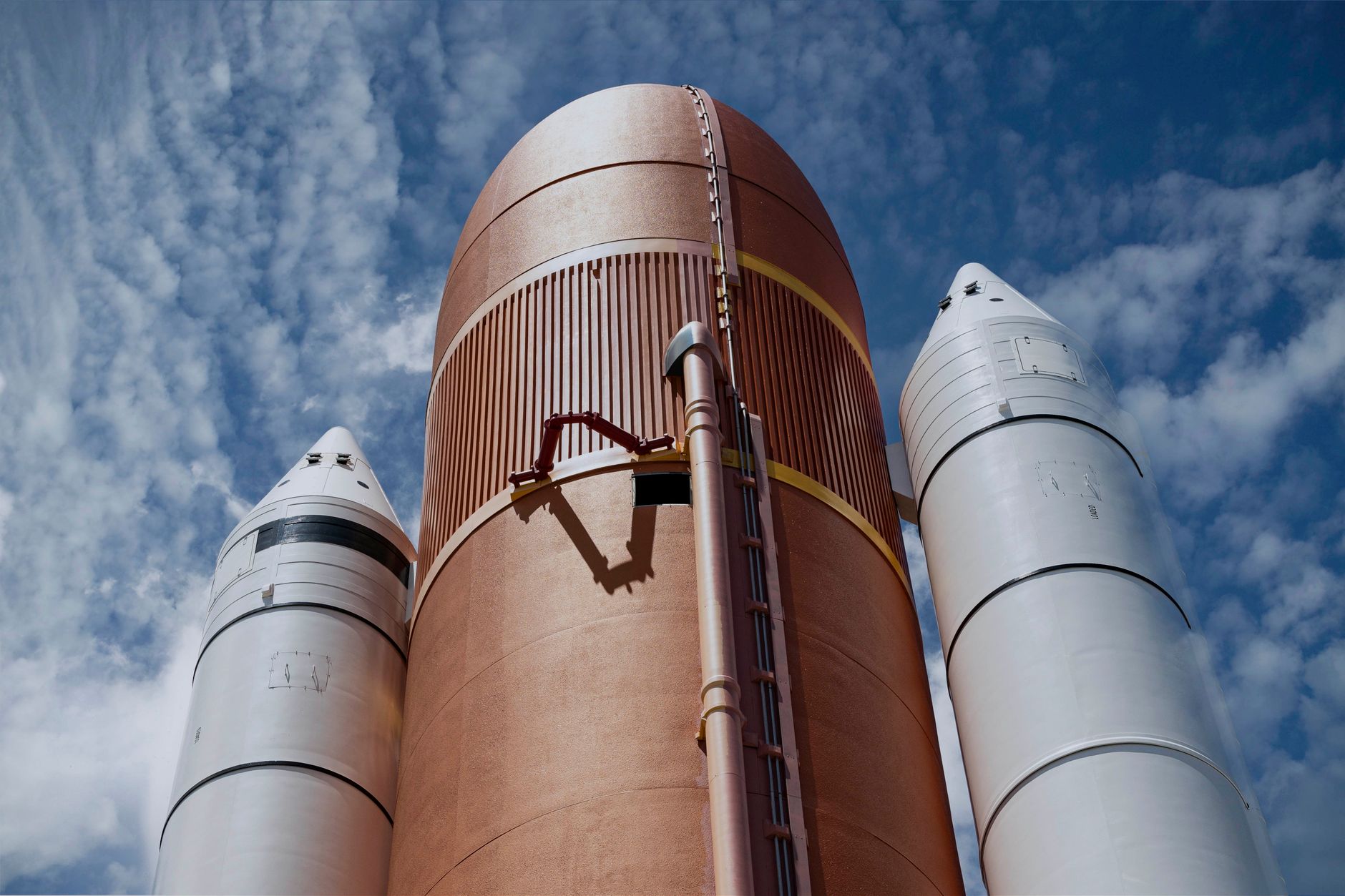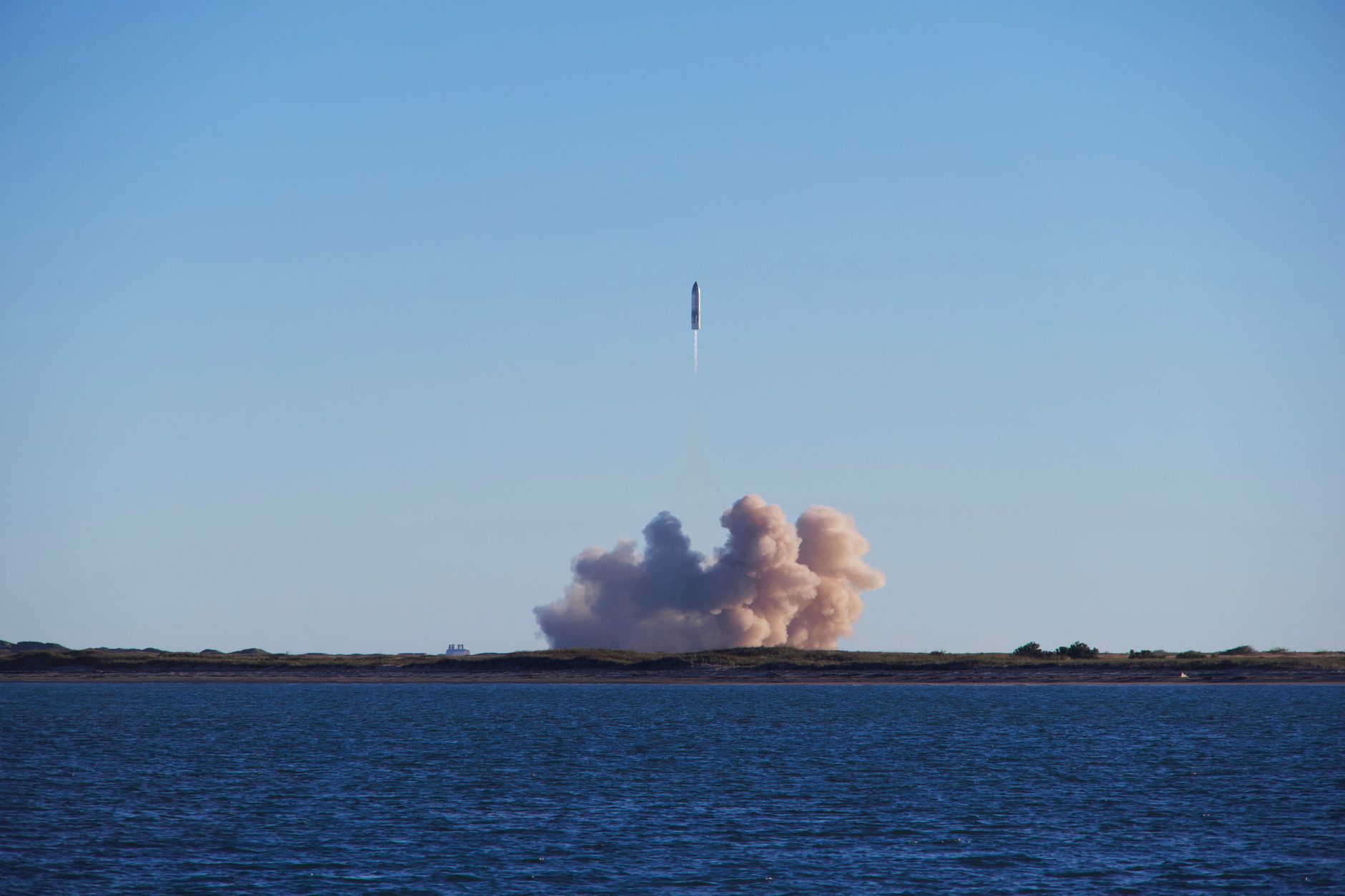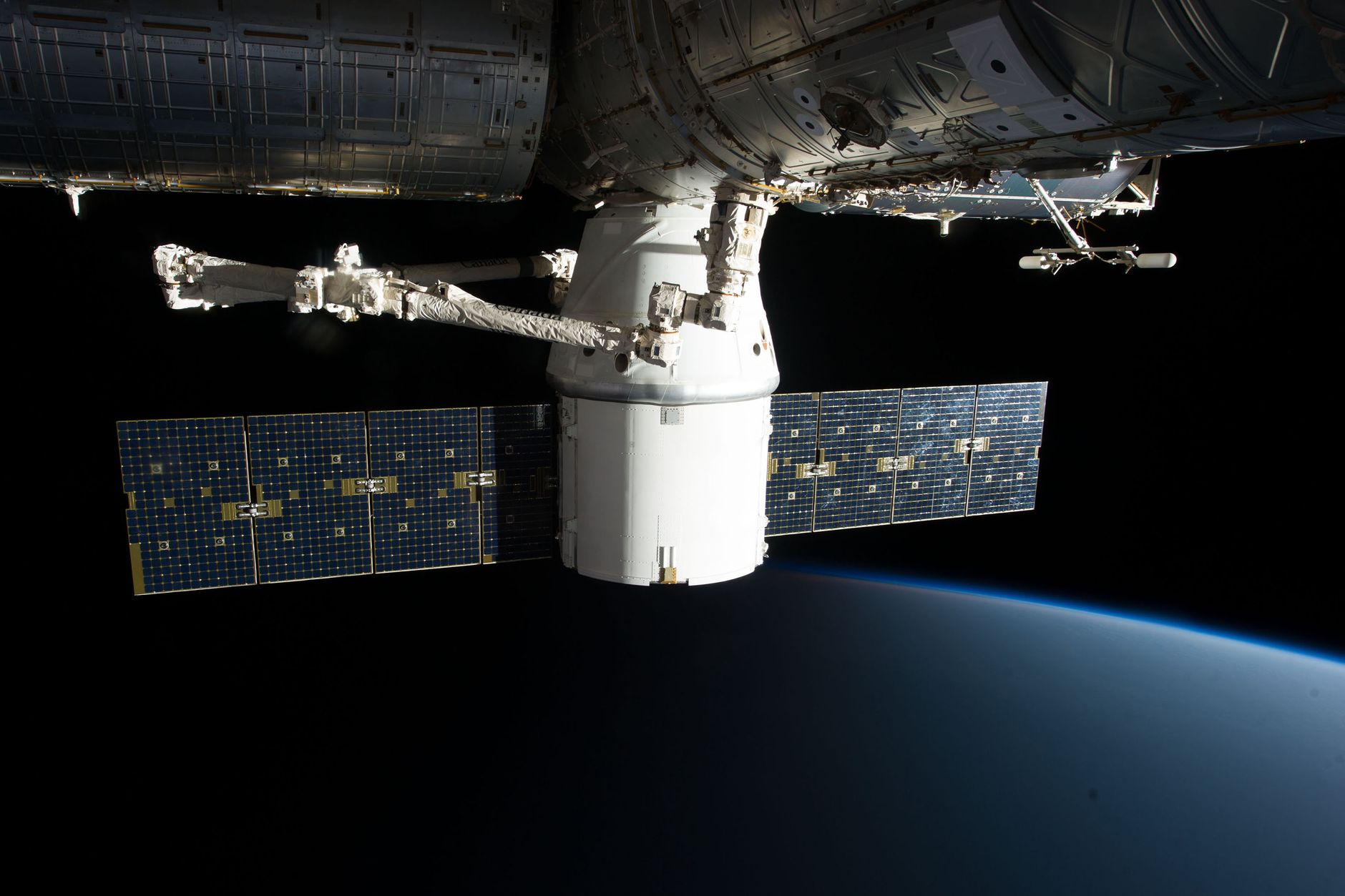
Gaganyaan module separation tests are crucial for ISRO’s ambitious 2026 mission. These tests demonstrate India’s commitment to advancing its space capabilities.
Overview of Gaganyaan Mission
The Gaganyaan mission, India’s first crewed space endeavor, represents a significant leap in the country’s space capabilities. Scheduled for launch in 2026, the mission aims to send Indian astronauts into low Earth orbit, showcasing India’s technological prowess on the global stage.
Recently, the Indian Space Research Organisation (ISRO) successfully completed critical Gaganyaan module separation tests, a vital milestone in ensuring the safety and functionality of the crew module. These tests simulate the conditions that will be experienced during the actual mission, providing essential data for the mission’s success.
The Gaganyaan mission involves a series of preparatory phases, including the development of advanced life support systems and crew training. The mission is expected to include:
- Launch of the crew module aboard a GSLV Mk III rocket
- Preparation for potential in-orbit maneuvers
- Safe return of the crew following the mission
ISRO’s commitment to this ambitious project reflects its dedication to advancing space exploration and research while inspiring future generations of scientists and engineers in India.
Importance of Module Separation Tests
The successful completion of the Gaganyaan module separation tests marks a significant milestone for the Indian Space Research Organisation (ISRO) as it prepares for its ambitious crewed space mission. These tests are critical in ensuring that the modules of the spacecraft can separate safely and effectively during various phases of the mission.
The importance of these tests cannot be overstated, as they directly affect the safety and success of the astronauts onboard. A reliable module separation process is essential for the following reasons:
- Safety: Ensuring that the crew module can detach from the launch vehicle without any issues is paramount to astronaut safety.
- Mission Success: Successful separation is vital for executing mission objectives, such as orbit insertion and reentry procedures.
- Technical Validation: These tests provide crucial data that helps validate the design and engineering of the Gaganyaan spacecraft.
As ISRO moves forward with preparations for the 2026 mission, the results of these tests will play a pivotal role in refining the overall mission strategy.
ISRO’s Future Plans
As the Indian Space Research Organisation (ISRO) progresses with its ambitious Gaganyaan mission, the successful completion of the Gaganyaan module separation tests marks a significant milestone in India’s space exploration efforts. These tests are crucial for ensuring the safety and reliability of the crewed spacecraft, which is slated for its inaugural mission in 2026.
Looking ahead, ISRO plans to conduct a series of rigorous evaluations to further validate the performance of the Gaganyaan modules under various conditions. This includes:
- Conducting additional separation tests with different configurations.
- Integrating advanced technology for enhanced safety measures.
- Collaborating with international space agencies for knowledge exchange.
The agency aims to secure a comprehensive understanding of the module dynamics during launch and re-entry phases. By investing in these crucial preparatory steps, ISRO is dedicated to ensuring that the Gaganyaan mission not only meets its objectives but also sets a benchmark for future human spaceflight initiatives.
Technological Advancements in Space
The recent completion of the Gaganyaan module separation tests marks a significant milestone in India’s space exploration efforts. These tests are crucial for ensuring the safe and efficient operation of the Gaganyaan mission, which aims to send astronauts into space by 2026. The successful execution of these tests demonstrates the Indian Space Research Organisation’s (ISRO) commitment to embracing advanced technologies and methodologies.
Among the key technological advancements highlighted during the tests are:
- Innovative Design: The modules have been engineered to facilitate seamless separation, crucial for the various phases of the mission.
- Enhanced Safety Mechanisms: New safety protocols have been integrated to protect the crew during critical moments of module separation.
- Real-Time Data Analysis: The use of advanced telemetry systems allows engineers to monitor performance and make necessary adjustments in real time.
These advancements not only bolster ISRO’s mission capabilities but also contribute to India’s growing reputation as a leader in space technology.
Challenges Ahead for ISRO
As ISRO celebrates the successful completion of the Gaganyaan module separation tests, the road ahead is laden with challenges. The Gaganyaan mission, aimed at sending Indian astronauts into space, requires meticulous planning and execution to ensure safety and success.
One of the primary challenges lies in the integration of various systems required for a reliable crew module. The complexity of these systems is heightened by the need for rigorous testing to meet international safety standards. Additionally, real-time monitoring systems must be developed to effectively track the performance of the crew module during the launch and re-entry phases.
Another significant hurdle is weather unpredictability, which can affect launch schedules and test timings. ISRO must also address potential delays in the supply chain for critical components, which can impact the overall timeline of the mission.
Ultimately, while the Gaganyaan module separation tests mark a clear step forward, ISRO will need to navigate these challenges with precision to achieve its ambitious goals for 2026.
The successful completion of the Gaganyaan module separation tests marks a significant milestone in India’s space exploration journey. With the Gaganyaan module separation tests, ISRO is one step closer to launching its first crewed mission into space.
Photo by SpaceX on Pexels
References
Related reading
Honor MagicOS 11 Rollout: Best Timeline and Device List · AI strategy for insurers: The Right Approach for Growth · Squad console announcement: Best proven details revealed