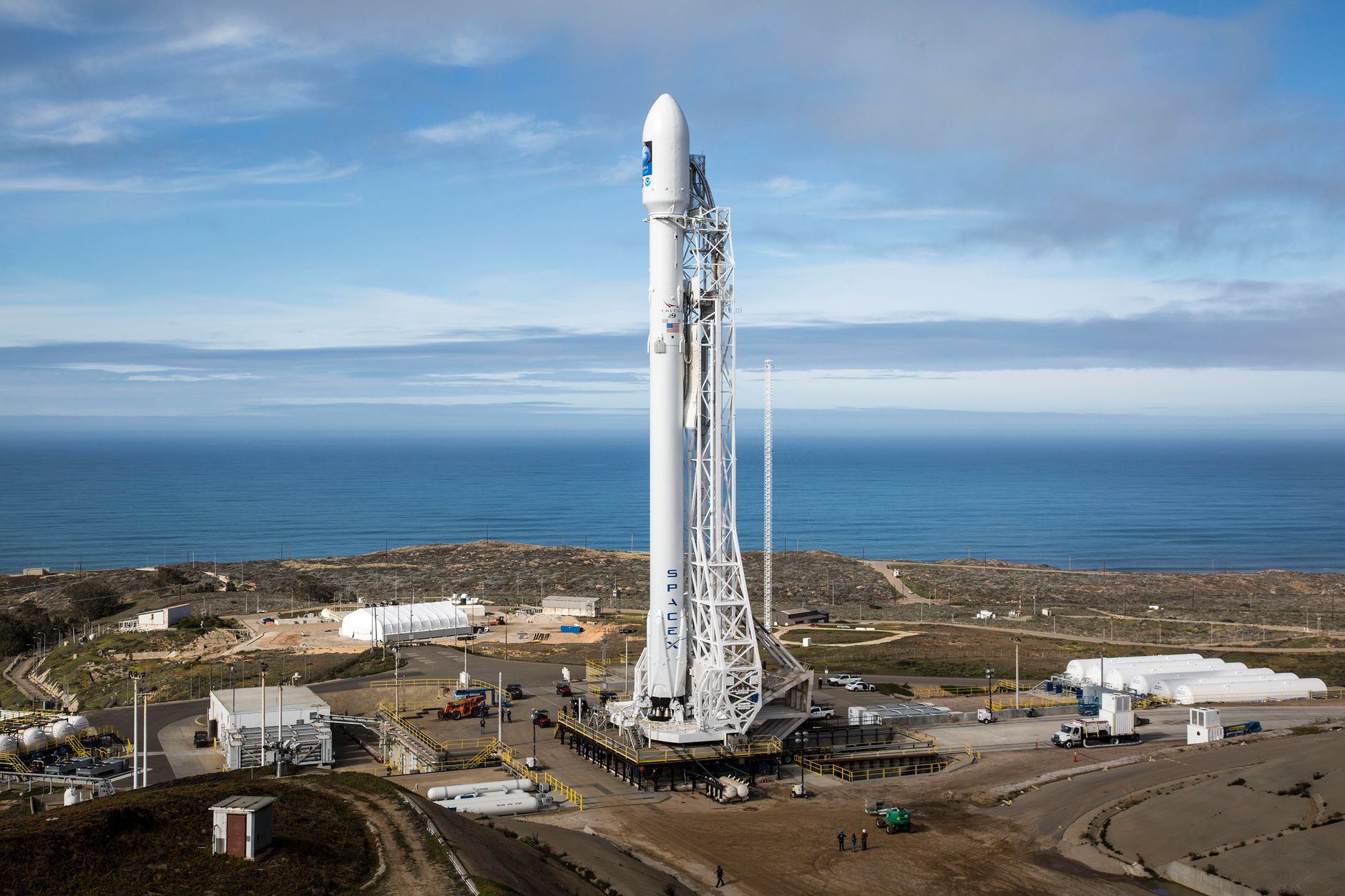
The SpaceX Falcon 9 mission has successfully launched another classified mission for the U.S. Space Force. This latest launch comes just six days after the USSF-432 mission, showcasing SpaceX’s rapid capabilities.
Overview of the Falcon 9 Mission
The recent SpaceX Falcon 9 mission marked yet another successful launch, emphasizing the company’s rapid capabilities in executing classified missions for the U.S. Space Force. Launched just six days after the USSF-432, this mission showcased SpaceX’s dedication to meeting tight schedules while ensuring mission security and integrity.
The Falcon 9 rocket, known for its reusability, has become a critical asset in launching vital payloads into orbit. This particular mission involved:
- Deployment of a classified payload for the Space Force
- Utilization of a previously flown rocket booster
- Execution of the launch from Cape Canaveral, Florida
The swift turnaround between missions highlights SpaceX’s efficiency and commitment to supporting national security objectives in space.
Significance of Classified Missions
The significance of classified missions, such as the recent SpaceX Falcon 9 mission, cannot be overstated. These missions play a crucial role in national security and technological advancements. They often involve sensitive information that, if disclosed, could compromise operational strategies.
Key aspects of classified missions include:
- National Security: These missions ensure the protection of critical infrastructure and intelligence capabilities.
- Technological Innovation: The development of advanced technologies often emerges from the requirements of classified missions, pushing the boundaries of what is possible in aerospace.
- Global Positioning: Successful launches demonstrate a nation’s capabilities, contributing to its standing in the global arena.
By executing launches like the SpaceX Falcon 9 mission, organizations can efficiently meet these objectives while maintaining a competitive edge in space operations.
Recent Space Force Launches
In a remarkable demonstration of efficiency, the Space Force has successfully executed multiple launches in rapid succession. Following the recent SpaceX Falcon 9 mission that deployed USSF-432, the organization quickly prepared for another classified operation. This swift turnaround highlights not only the reliability of the Falcon 9 rocket but also the increasing demand for national security missions in space.
The latest launch further underscores the importance of maintaining a robust presence in orbit, as global competition intensifies. Notable recent missions include:
- USSF-431: Launched to enhance communications capabilities.
- USSF-432: Focused on reconnaissance and surveillance.
- Upcoming Missions: Planned to further expand US capabilities in space.
These operations signal a new era of rapid response and technological advancement, as the Space Force positions itself for future challenges in the cosmos.
SpaceX’s Launch Frequency
SpaceX has significantly increased its launch frequency, demonstrating its capability to perform rapid missions with precision. The recent SpaceX Falcon 9 mission is a testament to this trend, as it occurred just six days following the successful launch of USSF-432. This quick turnaround is indicative of SpaceX’s efficiency and reliability, especially in handling classified missions for the U.S. Space Force.
Such rapid launches are essential for national security, allowing for timely deployment of critical assets into orbit. SpaceX’s ability to maintain a brisk schedule has made it a preferred partner for the military, enhancing the United States’ operational readiness in space.
This increase in launch frequency not only showcases SpaceX’s technological advancements but also reflects the growing demand for satellite deployments and space infrastructure, reinforcing the strategic importance of the aerospace sector in the modern age.
- Increased demand for satellite launches
- Enhanced national security through rapid deployment
- SpaceX’s commitment to innovation and efficiency
Technological Innovations in SpaceX
SpaceX continues to push the boundaries of aerospace technology with its Falcon 9 mission, showcasing several technological innovations that enhance both efficiency and reliability. These advancements are pivotal not only for commercial endeavors but also for the increasing demand for classified missions by the U.S. Space Force.
Among the notable innovations are:
- Reusable Rockets: The Falcon 9’s first stage is designed for multiple flights, significantly reducing costs and turnaround times.
- Advanced Payload Integration: The rocket incorporates state-of-the-art systems that allow for seamless deployment of a variety of payloads, including sensitive military satellites.
- Enhanced Flight Navigation: Innovations in guidance technology ensure precise trajectory control, making the launch process more reliable.
These technological strides not only exemplify SpaceX’s commitment to innovation but also bolster national security by ensuring that classified missions are executed with the utmost precision and speed.
Future of SpaceX Missions
The future of SpaceX missions looks promising as the company continues to push the boundaries of space exploration and national security. With the successful launch of the SpaceX Falcon 9 mission, which took place just six days after the USSF-432, the company demonstrates its ability to rapidly deploy classified payloads for the U.S. Space Force.
This quick turnaround highlights not only the efficiency of the Falcon 9 rocket but also the growing demand for satellite launches in a competitive geopolitical landscape. As SpaceX’s launch frequency increases, several key factors will shape the future of these missions:
- Technological Advancements: Ongoing innovations in rocket design and reusable technology will enhance mission capabilities.
- Strategic Partnerships: Collaborations with government agencies and private entities will expand SpaceX’s mission scope.
- Market Expansion: Growing interest in satellite services will drive more launches.
Overall, the trajectory of SpaceX suggests a robust future filled with new opportunities and challenges.
Impact on National Security
The successful launch of the SpaceX Falcon 9 mission has significant implications for national security. The rapid deployment of classified payloads underscores the growing reliance on private aerospace companies for strategic operations.
As the U.S. Space Force continues to expand its capabilities, maintaining a robust launch schedule is crucial. The Falcon 9’s reliability and efficiency allow for the swift execution of missions that are vital to national defense. This recent launch, occurring just six days after the USSF-432 mission, highlights the urgent need for timely intelligence and operational readiness.
The collaboration between the Space Force and SpaceX represents a shift in how the U.S. approaches space operations. The ability to quickly launch classified missions enhances the nation’s situational awareness and strengthens its deterrence posture against potential adversaries.
In summary, the SpaceX Falcon 9 mission exemplifies the intersection of technology and national security, ensuring that the U.S. remains ahead in the evolving landscape of space warfare.
Expert Opinions on SpaceX Launches
Experts in the aerospace industry have expressed their views on the recent SpaceX Falcon 9 mission, which successfully launched a classified payload for the U.S. Space Force. Many believe that the rapid turnaround between launches highlights SpaceX’s growing capabilities and reliability in executing sensitive missions.
Dr. Emily Carter, a space policy analyst, stated, “The efficiency demonstrated by SpaceX not only enhances national security but also showcases the potential for public-private collaborations in defense.” Similarly, aerospace engineer Tom Reynolds emphasized the importance of this mission’s success in maintaining the U.S. edge in space operations.
Some experts, however, raise concerns about the implications of rapid launches. “While speed is important, we must ensure that security protocols are not compromised,” warned Dr. Sarah Mitchell, a former NASA flight director.
Overall, the consensus among experts is that the SpaceX Falcon 9 mission marks a significant step forward for both the company and national defense initiatives.
Photo by SpaceX on Pexels